
Hear from Our Customers

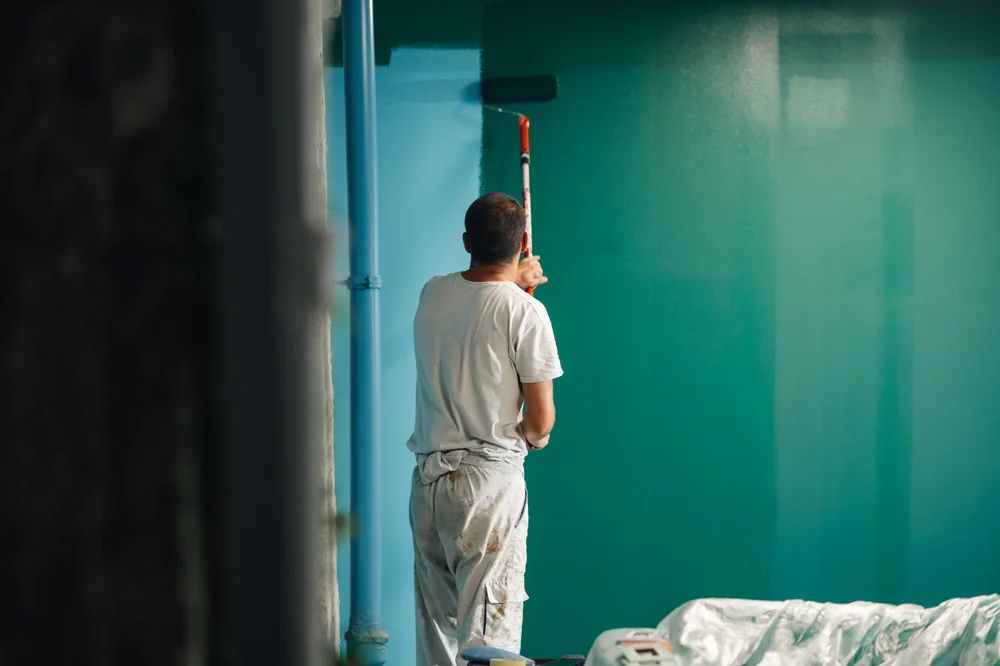
You’re not just covering walls. You’re protecting one of the biggest investments you’ll ever make from New England weather, moisture damage, and the wear that comes with actually living in your space.
Most Newton Centre homes were built before 1978. That means lead paint is likely hiding under those layers, and it means the prep work matters more than the paint itself. Surface preparation, repairs, proper priming—that’s where the real work happens. Skip it, and you’ll see peeling within a year.
When the job’s done right, you get paint that holds up through freeze-thaw cycles, summer humidity, and everything in between. You get a finish that looks clean and stays clean. And if you’re thinking about selling down the line, you get a home that shows well and holds value in one of Massachusetts’ most competitive markets.
We’ve spent more than ten years serving Newton Centre families. We started in residential cleaning, which taught us something most painters don’t think about: how to protect your home while we work, how to clean up like we were never there, and how to pay attention to the details that actually matter to you.
We’re EPA lead-safe certified because we have to be in a town where 84% of homes were built before the lead paint ban. We use family-safe, eco-friendly products because that’s what Newton families ask for—and because it’s the right thing to do when we’re working in someone’s home.
You’re not hiring a crew that rushes through jobs to hit quota. You’re hiring people who understand that your time, your space, and your investment deserve respect.
First, we come out and give you a free estimate. We look at the surfaces, talk about what you’re trying to accomplish, and give you a transparent quote. No pressure, no upselling—just a clear breakdown of what the job requires.
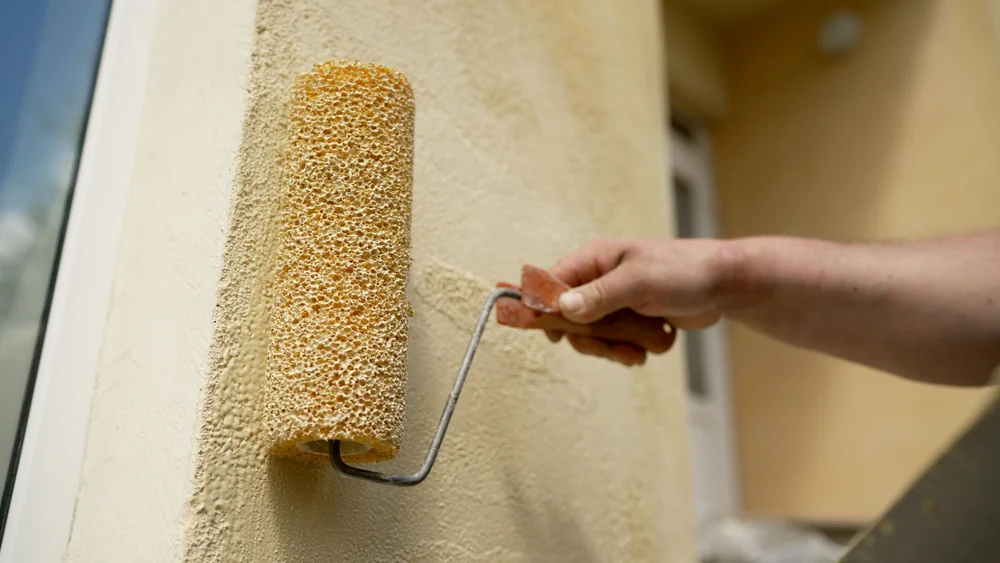
Once you’re ready to move forward, we schedule around your life. We protect your floors, furniture, and belongings before we touch a brush. Then comes the part most painters skip: thorough surface prep. We repair cracks, sand rough spots, prime properly, and make sure the surface is ready to hold paint for years, not months.
After that, we apply premium paint from brands like Sherwin Williams or Benjamin Moore—products that are built for New England’s climate. We do the detail work around trim, edges, and corners. And when we’re done, we clean up completely. You shouldn’t have to scrub paint splatters off your floor or smell chemicals for a week. We don’t consider the job finished until you’re satisfied with the result.
Ready to get started?
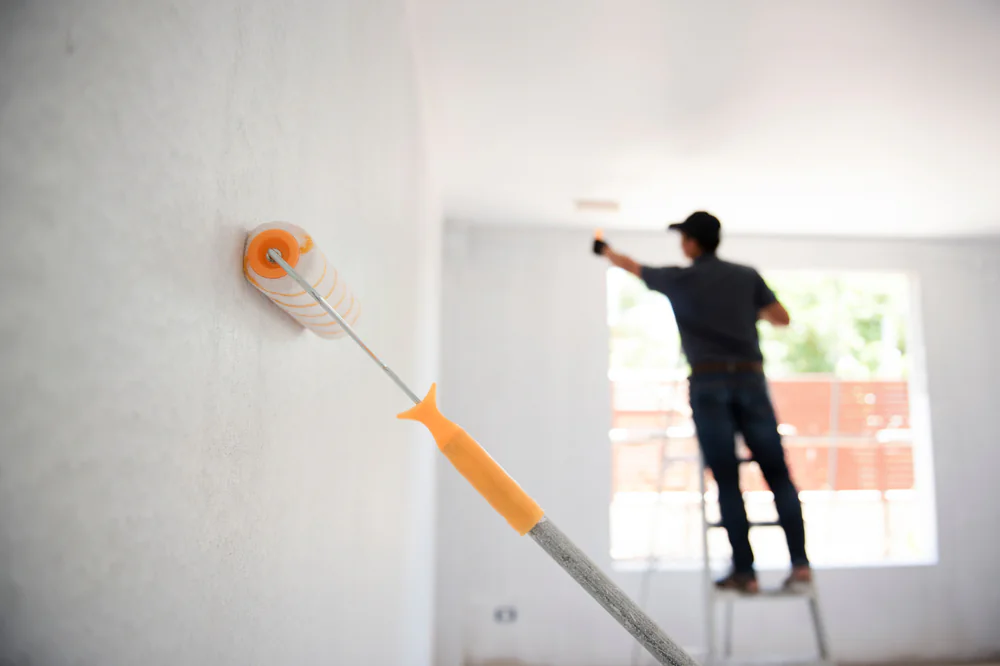
We handle both interior painting and exterior painting for residential properties in Newton Centre. That includes full room repaints, accent walls, trim and molding, ceilings, doors, and cabinetry. For exteriors, we cover siding, decks, fences, shutters, and any surface that needs protection from the weather.
Every project includes surface preparation, which is non-negotiable if you want paint that lasts. We repair drywall, fill cracks, sand rough areas, and prime correctly. If your home was built before 1978—and most in Newton Centre were—we follow EPA lead-safe practices to keep your family protected during the process.
We also offer free color consultations. Choosing paint colors is harder than it looks, especially in historic homes where you’re balancing personal style with architectural character. We help you pick colors that work with your lighting, your furnishings, and the overall feel you’re going for.
You get a two-year workmanship guarantee. If something goes wrong because of how we did the job, we come back and fix it. And you get the peace of mind that comes with hiring a licensed, insured, locally-owned company that’s been serving this community for over a decade.

If your home was built before 1978, yes. And in Newton Centre, roughly 84% of the housing stock falls into that category. Lead-based paint was banned in 1978, but it’s still present in the majority of older homes—hidden under newer coats of paint.
When you disturb that paint through sanding, scraping, or demolition, you create lead dust. That dust is dangerous, especially for children under six. In 2016, 19 children in Newton tested positive for elevated blood lead levels. The Massachusetts Department of Public Health flags Greater Boston as high-risk for childhood lead poisoning.
An EPA lead-safe certified painter knows how to contain the work area, minimize dust, and clean up properly. It’s not optional—it’s the law for any renovation work that disturbs more than six square feet of painted surface in a pre-1978 home. Don’t hire someone who brushes off the question or tells you it’s not a big deal. It is.
Preparation. That’s the difference. A cheap painter shows up, rolls on a coat of builder-grade paint, and leaves. You’ll see peeling, cracking, or color inconsistencies within a year—sometimes sooner if you’re dealing with New England weather.
A quality paint job starts with surface prep. We repair cracks and holes in drywall. We sand rough spots. We prime bare surfaces and stains. We caulk gaps around trim. All of that happens before the first coat of finish paint goes on. It takes longer, and it costs more, but it’s the only way to get a finish that lasts.
Then there’s the paint itself. Low-grade paint lacks the flexibility to handle the expansion and contraction that happens with temperature swings. It fades faster, it doesn’t cover as well, and it doesn’t protect your surfaces from moisture or mildew. We use premium brands like Sherwin Williams and Benjamin Moore because they’re formulated to hold up in climates like ours. You’re not paying for a name—you’re paying for chemistry that works.
Start by looking at your lighting. Natural light changes throughout the day, and it affects how colors read on your walls. A color that looks warm and inviting in the morning might feel washed out by afternoon, or too intense under evening lights. Test samples on your actual walls and live with them for a few days before committing.
Consider the architecture and era of your home. If you’re in a historic Newton Centre property, you might want colors that respect the original character—or you might want to go bold and modern. Either works, but the choice should be intentional. We offer free color consultations to help you think through those decisions.
Also think about flow between rooms. You don’t need every room to match, but abrupt color changes can feel jarring. Look at how spaces connect and whether you want a cohesive palette or distinct zones. And don’t forget about your furnishings—paint should work with what you already own, not fight it. Trends come and go. Benjamin Moore’s 2025 Color of the Year is Cinnamon Slate, a warm brown with plum undertones. It’s popular right now, but that doesn’t mean it’s right for your space. Choose what works for you.
For interior painting, a single room usually takes one to two days depending on size, prep work, and how many coats you need. A whole-house interior might take a week or more. Exterior painting depends on the size of your home and the condition of the surfaces, but most projects run anywhere from three days to two weeks.
Weather plays a role, especially for exterior work. We need temperatures above 50 degrees and low humidity for paint to cure properly. Spring and fall are ideal in New England, but summer works too as long as we’re not painting in direct sun during the hottest part of the day. Winter exterior painting is possible but tricky—we avoid it unless conditions are right.
The prep work is what takes time. If we’re dealing with peeling paint, rotted wood, or extensive repairs, that adds days to the timeline. Rushing through prep to hit a deadline is how you end up with a paint job that fails early. We give you a realistic timeline upfront and keep you updated if anything changes. We also work around your schedule as much as possible, because we know you’re busy and you don’t want contractors in your space longer than necessary.
You need paint that can handle freeze-thaw cycles, high humidity, and UV exposure. New England weather is tough on exterior surfaces. Cheap paint cracks, peels, and fades because it doesn’t have the flexibility or durability to expand and contract with temperature swings.
For exteriors, we recommend 100% acrylic latex paint. It’s flexible, breathable, and holds up better than oil-based options in our climate. Brands like Sherwin Williams Duration or Benjamin Moore Aura are designed specifically for weather resistance. They cost more upfront, but they last longer and protect better—which means fewer repaints and less maintenance over time.
For interiors, you have more flexibility, but quality still matters. Low-VOC or zero-VOC paints are better for indoor air quality, especially if you have kids or pets. Matte and eggshell finishes hide imperfections well, but they’re harder to clean. Satin and semi-gloss are more durable and easier to wipe down, which makes them a good choice for kitchens, bathrooms, and high-traffic areas. We walk you through the options based on your specific rooms and how you use them.
Yes, if you’re using quality products. Eco-friendly paints have come a long way in the last decade. Low-VOC and zero-VOC formulas from premium brands perform just as well as traditional paints—sometimes better—without the harsh chemical smell or off-gassing that used to be standard.
VOCs (volatile organic compounds) are the chemicals that create that strong paint odor and contribute to indoor air pollution. They can cause headaches, dizziness, and respiratory issues, especially in poorly ventilated spaces. Reducing or eliminating VOCs makes the painting process safer for your family and better for the environment.
That said, not all eco-friendly paints are created equal. Some budget versions sacrifice coverage or durability to hit a lower price point. We use premium eco-friendly options that meet the same performance standards as conventional paints. You get the durability, the coverage, and the finish quality you expect—without the toxins. It’s a win for your health, your home, and the planet.
Ready for a Sparkling Clean Home?
Take the first step towards a cleaner, healthier home. Book your cleaning service with Clarita’s Cleaning today!
Clarita's Cleaning
Company
Support
Useful Links