
Hear from Our Customers
Your driveway shouldn’t look like it’s been there for 30 years when it’s only been 10. Same goes for your deck, siding, and walkways.
When you remove the layer of grime that’s been building up—sometimes for years—you’re not just improving curb appeal. You’re stopping mold from spreading. You’re preventing wood from rotting. You’re keeping paint from peeling prematurely.
Clean surfaces last longer. They look better. And if you’re thinking about selling, they make a difference in what buyers see when they pull up. First impressions aren’t just about landscaping—they’re about whether your home looks maintained or neglected.
Cochituate’s weather doesn’t help. Rain, humidity, and seasonal debris create the perfect environment for algae and mildew. If your siding has dark streaks or your deck feels slippery, that’s not just cosmetic. That’s buildup that needs to go.
Clarita’s Cleaning has been serving the Cochituate area for more than 10 years. We’re a family-owned business, and we’ve built our reputation on showing up, doing thorough work, and using products that won’t harm your kids, pets, or landscaping.
We’re not the cheapest option—and that’s intentional. You’re paying for experience, the right equipment, and cleaners who know the difference between pressure washing and soft washing. Because using the wrong method on the wrong surface can crack concrete, strip paint, or damage wood.
Cochituate homeowners deal with a lot of moisture and shade, especially near Lake Cochituate. That means more mold, more algae, and more frequent cleaning needs. We’ve seen it all, and we know how to handle it without guessing or cutting corners.
First, we come out and give you a free estimate. We’ll look at what needs cleaning, what kind of surfaces we’re dealing with, and whether pressure washing or soft washing makes more sense. You’ll get a clear price before we start anything.
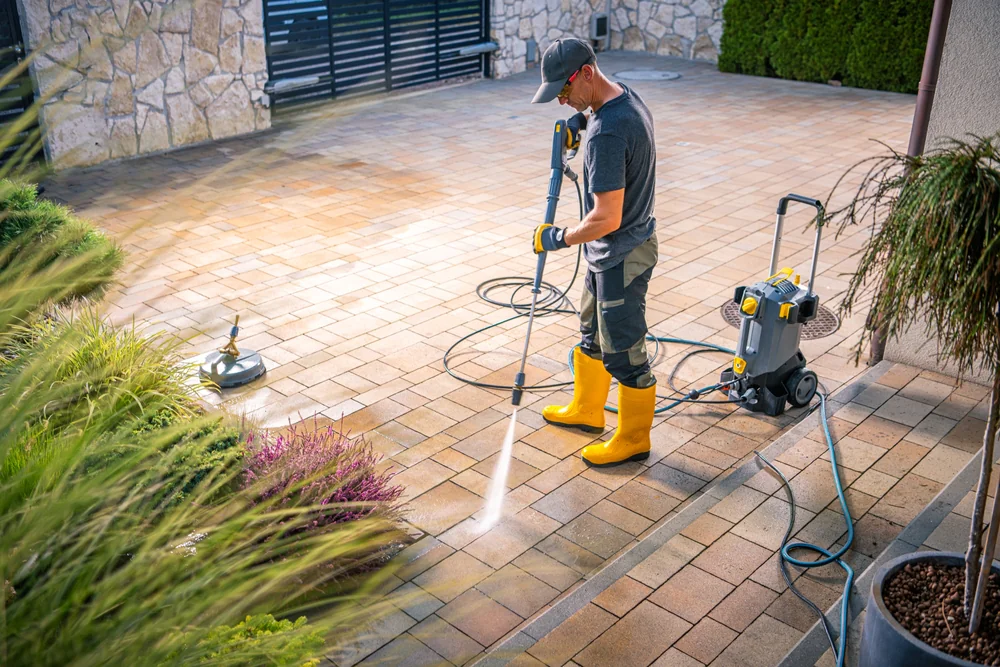
On the day of service, we show up with professional-grade equipment—not the kind you rent from a hardware store. We adjust pressure settings based on the surface. High pressure for concrete and driveways. Low pressure (soft washing) for siding, roofs, and wood.
We pre-treat stubborn stains, mold, and algae with eco-friendly solutions that break down buildup without harsh chemicals. Then we rinse everything thoroughly, making sure no residue is left behind. The whole process is methodical, not rushed.
After we’re done, your surfaces dry clean—not streaky or uneven. And because we use family-safe products, you don’t have to worry about your kids or pets being around the area once it’s dry. Most jobs take a few hours, depending on size and scope.
Ready to get started?
Pressure washing covers a lot of ground. We clean driveways, patios, walkways, decks, fences, siding, and even garage floors. If it’s outside and it’s dirty, we can probably handle it.
Soft washing is what we use for more delicate surfaces—vinyl siding, painted wood, roofs, and anything that could be damaged by high pressure. It’s a low-pressure method that uses specialized cleaning solutions to kill mold, algae, and bacteria at the root. It’s gentler, but just as effective.
Deck and fence restoration goes beyond a basic wash. If your wood is graying or starting to splinter, we can clean it, prep it, and get it ready for staining or sealing. That extends the life of the wood and keeps it looking newer for longer.
Graffiti removal is another service we offer, especially for commercial clients or properties near high-traffic areas. We use techniques that remove paint and markings without damaging the underlying surface.
Cochituate homes near the lake or surrounded by trees tend to accumulate more organic growth. Moss, algae, and mildew love shade and moisture. If your property fits that description, you’ll probably need cleaning more often than homes in drier, sunnier areas. We can set up a maintenance schedule that makes sense for your specific situation.

Pressure washing and power washing are almost the same thing. Both use high-pressure water to clean surfaces. The only real difference is that power washing uses heated water, while pressure washing uses regular temperature water.
Most residential jobs don’t need heated water. Pressure washing handles driveways, decks, siding, and patios just fine without it. Heated water is more common in commercial or industrial settings where you’re dealing with heavy grease or oil stains.
When people say “power washing,” they usually just mean pressure washing. The terms get used interchangeably. What matters more is whether the person doing the work knows how to adjust pressure settings and choose the right cleaning method for each surface.
It depends on the surface and the pressure setting. High-pressure washing can damage vinyl siding, strip paint, gouge wood, and force water behind siding where it doesn’t belong. That’s why experience matters.
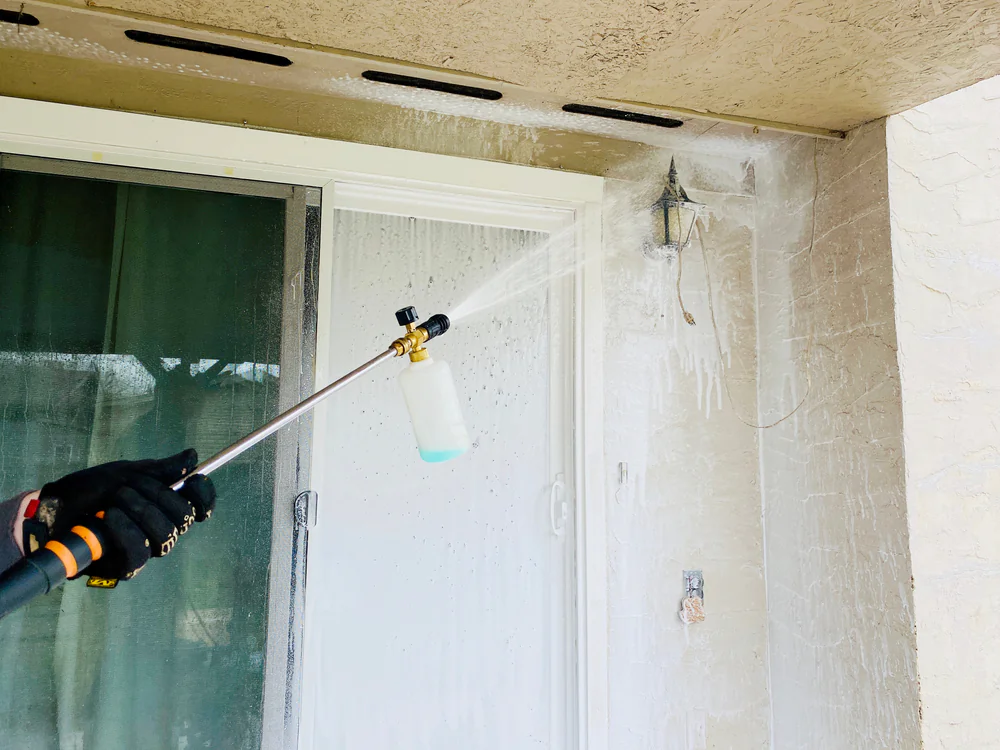
For siding, we use soft washing—a low-pressure method that relies on cleaning solutions instead of brute force. It’s safe for vinyl, painted wood, and stucco. For decks, we adjust pressure based on the wood type and condition. Older or softer wood gets treated more gently.
The wrong approach can cause real damage. We’ve seen DIY jobs where homeowners used too much pressure and ended up with splintered decks or water damage inside walls. If you’re not sure what PSI to use or what technique works best, it’s worth hiring someone who does this regularly.
Most driveways and decks benefit from pressure washing once a year. If your property is in a shaded area, near trees, or close to the lake, you might need it twice a year. Mold and algae grow faster in damp, shaded conditions.
Driveways take a beating from cars, oil drips, and weather. Even if they don’t look terrible, there’s usually a layer of grime you don’t notice until it’s gone. Regular cleaning prevents stains from setting in and keeps concrete or asphalt from deteriorating prematurely.
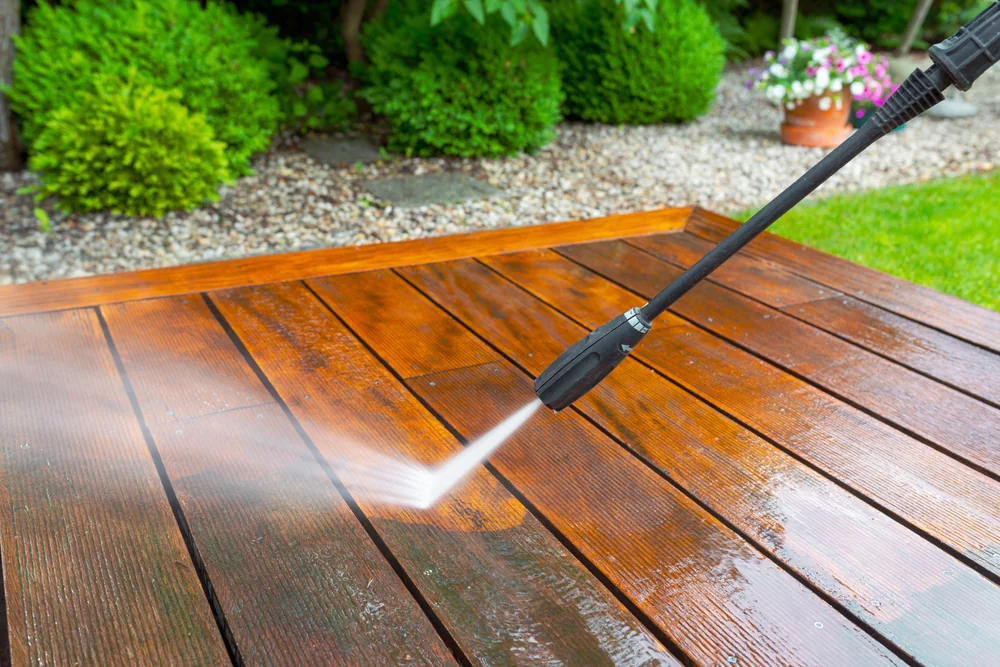
Decks need attention too, especially if they’re wood. Dirt and moisture get trapped in the grain, which leads to rot and mildew. If your deck feels slippery when wet, that’s algae—and it’s not going away on its own. Cleaning it annually keeps the wood healthier and safer to walk on.
Most oil stains can be removed or significantly lightened with pressure washing, but it depends on how old the stain is and how deep it’s soaked into the concrete. Fresh stains come up easier. Old, set-in stains are tougher.
We pre-treat oil stains with degreasers before pressure washing. That breaks down the oil so the high-pressure water can lift it out of the porous surface. For stubborn stains, we might need to treat and wash the area more than once.
Some stains won’t come out completely, especially if they’ve been there for years. In those cases, we can usually fade them enough that they’re far less noticeable. If your driveway has multiple old stains, resurfacing might be a better long-term solution—but we’ll be honest about what’s realistic before we start.
We use eco-friendly, biodegradable cleaning solutions that are safe for pets, kids, and landscaping. These aren’t harsh chemicals—they’re designed to break down organic growth like mold, algae, and mildew without harming the environment.
For most jobs, we pre-treat surfaces with a cleaning solution, let it sit for a few minutes, then rinse thoroughly with pressurized water. The solution does the heavy lifting, so we don’t have to rely solely on high pressure. That’s better for your surfaces and safer overall.
Once the area is dry, it’s completely safe for pets and people. We rinse everything thoroughly, so there’s no residue left behind. If you have specific concerns about certain plants or landscaping features, let us know ahead of time and we’ll take extra precautions around those areas.
Yes. Graffiti removal is one of the services we offer, and it’s more common than people think—especially for commercial properties, fences, and buildings near busier roads or public areas.
The method depends on the surface and the type of paint or marker used. For brick and concrete, we typically use a combination of chemical strippers and high-pressure washing. The stripper loosens the paint, and the pressure washing removes it without damaging the underlying material.
Some surfaces are harder to clean than others. Porous brick can absorb spray paint deep into the material, which makes complete removal tricky. In those cases, we can usually fade it significantly, even if a shadow remains. We’ll walk you through what’s possible during the estimate so you know what to expect.
Other Services we provide in Cochituate
Ready for a Sparkling Clean Home?
Take the first step towards a cleaner, healthier home. Book your cleaning service with Clarita’s Cleaning today!
Clarita's Cleaning
Company
Support
Useful Links