
Hear from Our Customers
You’re not just removing dirt. You’re stopping mold and mildew from breaking down your siding, preventing algae from making your walkways slippery, and getting rid of the grime that makes your home look older than it is.
Clean exteriors last longer because contaminants aren’t sitting there eating away at paint, wood, or concrete. That means fewer repairs, less frequent repainting, and a property that holds its value instead of losing it to neglect.
And if you’re thinking about selling, curb appeal isn’t just a nice phrase—it’s the difference between someone scheduling a showing or scrolling past your listing. A clean exterior signals that the home has been maintained, which matters more than most people realize.
We’ve spent more than ten years cleaning homes and businesses throughout Kenwood and the surrounding areas. We’re a family-run operation, which means the people who answer your call are the same ones who show up to do the work.
We use eco-friendly products that won’t harm your kids, pets, or plants. That’s not a marketing angle—it’s how we’ve always operated. You shouldn’t have to choose between a clean property and a safe one.
Kenwood properties deal with everything Massachusetts weather throws at them: humidity that breeds mold, pollen that coats everything in spring, and winter grime that lingers well into April. We know what builds up here and how to remove it without causing damage.
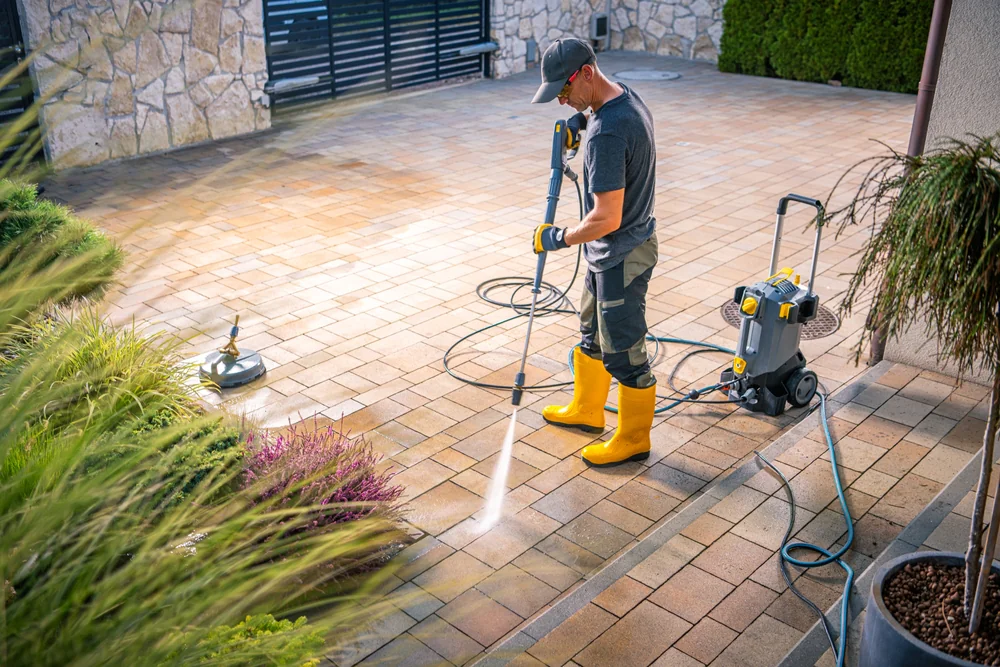
First, we come out and give you a free estimate. We’ll look at what needs cleaning, assess the condition of the surfaces, and explain which method makes sense—standard pressure washing for tough surfaces like concrete, or soft washing for more delicate areas like siding and roofs.
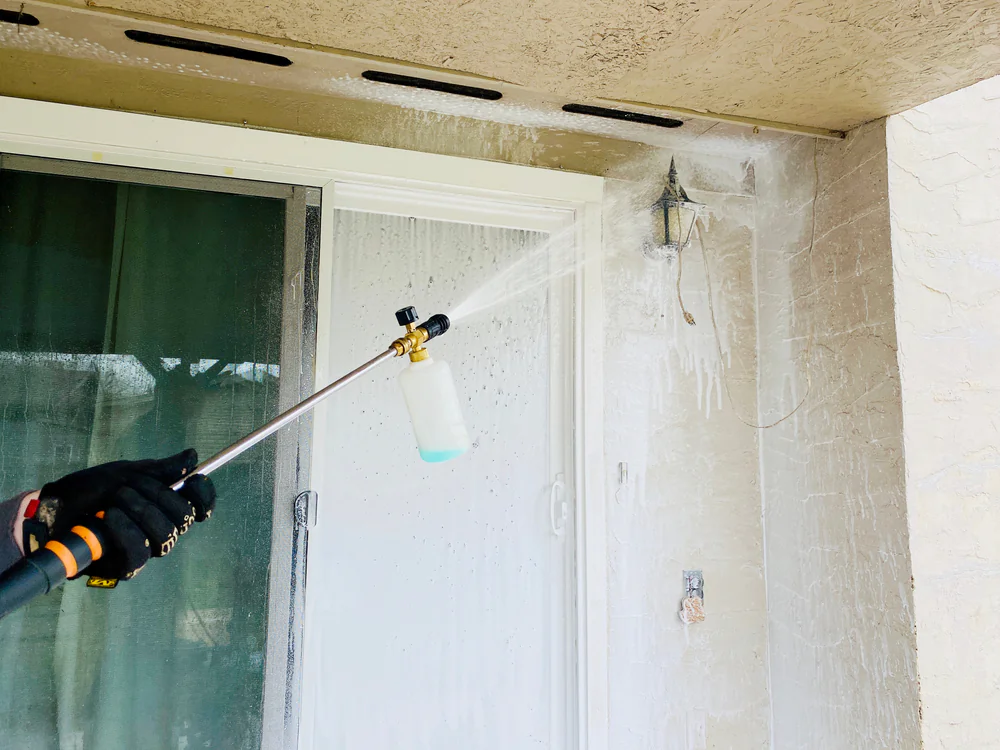
Soft washing uses low pressure combined with specialized cleaning solutions that break down organic growth without the risk of damaging shingles, paint, or wood. Power washing uses higher pressure for driveways, walkways, and other hard surfaces where you need more force to lift years of embedded dirt.
We protect your landscaping, windows, and anything else that shouldn’t get sprayed. Then we clean in sections, making sure we’re thorough without rushing. When we’re done, you’ll see the difference immediately—and it’ll last because we’re removing the root cause, not just the surface layer.
Ready to get started?
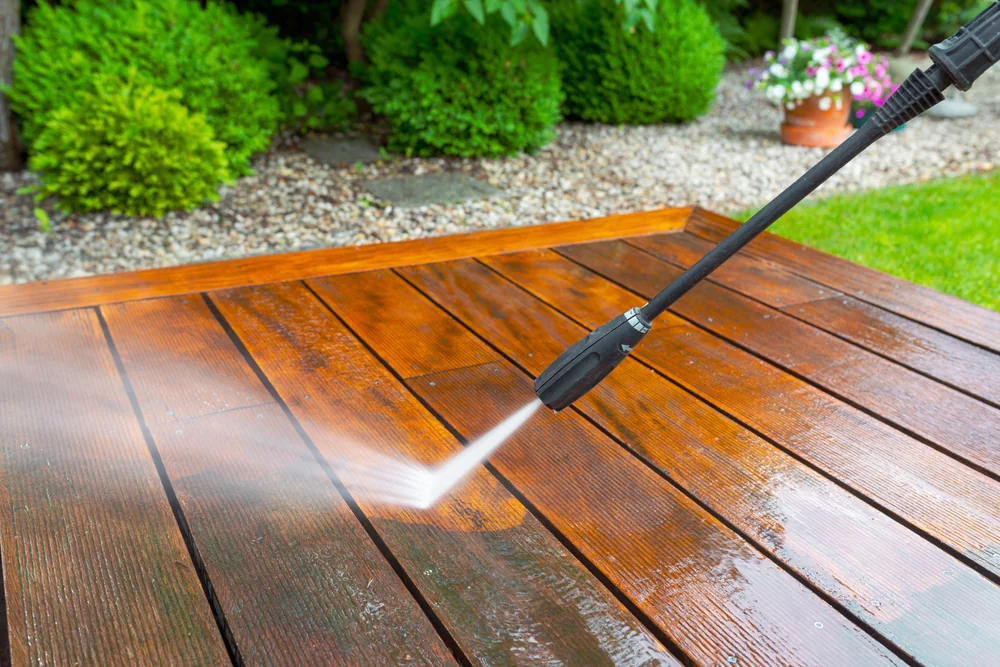
We clean siding, driveways, decks, fences, walkways, patios, and commercial building exteriors. If it’s outside and it’s dirty, we’ve probably cleaned it before.
Deck and fence restoration goes beyond just washing—we remove old stain or sealant, clean the wood down to bare grain if needed, and prep it for refinishing. Graffiti removal is another specialty, especially for commercial properties that need it gone fast without damaging the underlying surface.
In Kenwood, we see a lot of homes with vinyl siding that’s turned green on the north-facing sides. That’s algae, and it’s not just cosmetic—it holds moisture against the material and accelerates wear. We also get calls about driveways that have oil stains, tire marks, or just years of grime that makes the concrete look black instead of gray.
The difference between power washing and pressure washing mostly comes down to heat. Power washing uses heated water, which works better on grease and oil. Pressure washing uses unheated water and is what most residential jobs need. We match the method to the surface and the problem.

Most homes in Kenwood benefit from pressure washing every one to two years. That timeline shifts depending on a few factors: how much shade your property gets, whether you’re near wooded areas, and how much pollen and organic debris accumulate.
North-facing walls and shaded areas grow algae and mold faster because they stay damp longer. If you’re seeing green or black streaks, that’s a sign it’s time. Waiting too long means the growth gets harder to remove and starts breaking down your siding or paint.
Driveways and walkways usually need attention annually, especially if you park cars that leak oil or if you’re in an area with heavy tree cover. The goal is to clean before damage sets in, not after.
Not all siding should be hit with high pressure. Vinyl, wood, and older painted surfaces can be damaged if you use too much force or the wrong angle. That’s why we use soft washing for most siding jobs—it’s low pressure with cleaning solutions that do the heavy lifting.
Brick and concrete can handle higher pressure, but even then, you need to know what you’re doing. Too much pressure on mortar joints can erode them. Too close on wood can splinter it. We adjust pressure, nozzle type, and distance based on what we’re cleaning.
If you’ve tried pressure washing yourself and noticed paint peeling or water getting behind the siding, that’s what happens when the technique is off. We’ve been doing this long enough to know how much pressure each surface can take.
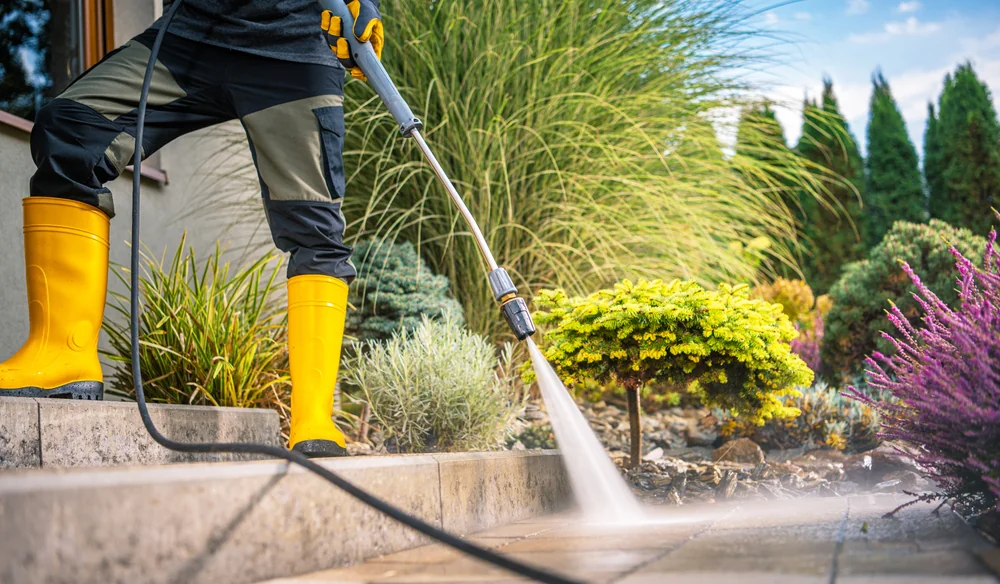
Not if it’s done correctly. We cover or wet down plants before we start, and we avoid spraying directly at windows or forcing water into gaps around frames. The cleaning solutions we use are biodegradable and safe for grass, shrubs, and flower beds.
Windows can crack if hit with high pressure at close range, and seals can fail if water is forced into the edges. We keep the right distance and use appropriate pressure settings to avoid those issues.
If you have delicate plants close to the house, let us know ahead of time. We can take extra precautions or hand-rinse those areas after we’re done to make sure no residue is left behind.
Pressure washing uses higher water pressure to blast away dirt, grime, and stains. It works well on concrete, brick, and other hard surfaces that can handle the force. Soft washing uses much lower pressure—about the same as a garden hose—but adds specialized detergents that break down mold, algae, and organic stains.
Soft washing is what you want for roofs, siding, painted surfaces, and anything that could be damaged by high pressure. It’s also more effective at killing the spores and roots of organic growth, so the results last longer.
Most residential jobs need a combination of both. We’ll soft wash your siding and roof, then pressure wash your driveway and walkways. Using the wrong method is how people end up with damaged shingles or driveways that are still stained.
Most surfaces dry within a few hours, depending on weather conditions. Concrete driveways and walkways are usually dry enough to walk on within two to four hours on a sunny day. Siding dries faster because it’s vertical and water runs off quickly.
If you’re planning to stain or seal a deck after we clean it, you’ll need to wait longer—usually 24 to 48 hours depending on humidity and temperature. Wood needs to be completely dry before you apply any finish, or it won’t absorb properly and you’ll end up with peeling or uneven coverage.
We’ll let you know what to expect based on the forecast and what we’re cleaning. If rain is coming, we’ll either reschedule or make sure we’re cleaning surfaces that don’t need to be dry for a follow-up treatment.
Yes. We handle storefronts, office buildings, parking lots, sidewalks, and loading areas. Commercial properties need to look clean for customers and employees, and they also need to meet safety standards—slippery walkways from algae buildup are a liability.
We can work around your business hours if needed. Some jobs are better done early morning or on weekends to avoid disrupting foot traffic. We’ve worked with property managers and business owners throughout Kenwood who need regular maintenance on a schedule that makes sense for their operations.
Graffiti removal is another common request for commercial clients. We use techniques and solutions that remove paint and markings without damaging brick, concrete, or metal surfaces underneath. Fast turnaround matters for these jobs, and we get that.
Other Services we provide in Kenwood
Ready for a Sparkling Clean Home?
Take the first step towards a cleaner, healthier home. Book your cleaning service with Clarita’s Cleaning today!
Clarita's Cleaning
Company
Support
Useful Links