Summary:
What Are the Biggest 2026 Painting Trends
Every year, major paint companies announce their “color of the year,” and 2026 brought a unified message: nature is back. Sherwin-Williams chose Universal Khaki, a warm earthy neutral. Valspar went with Sage Slate, a restorative green. Behr picked Hidden Gem, a smoky jade. Benjamin Moore leaned into Silhouette, a complex charcoal-plum.
The common thread? They’re all inspired by the outdoors—stone, sand, sunlit soil, forest canopies, coastal fog. These aren’t loud colors demanding attention. They’re quiet, grounding, designed to make you exhale the moment you walk into a room. After years of digital overload, people are craving spaces that feel restorative. Color is one of the fastest ways to create that feeling.
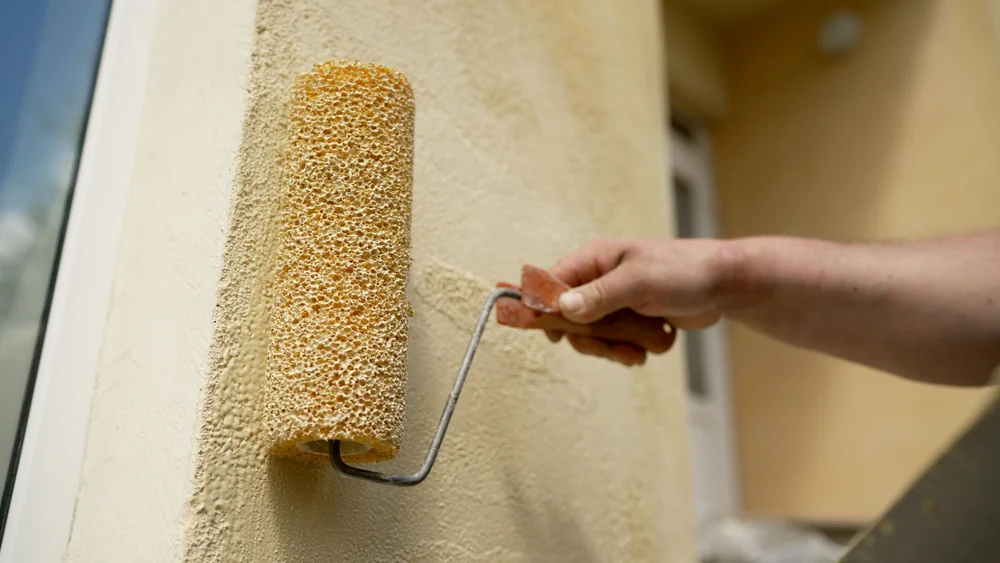
Why nature-inspired colors are taking over interior design in 2026
There’s a reason these colors are everywhere, and it goes deeper than aesthetics. Over the past few years, more people have realized how much their environment affects their mental and physical health. Spending so much time indoors—working from home, managing family life, trying to unwind—has made us hyper-aware of how our spaces make us feel.
Nature-inspired colors tap into something instinctive. Greens signal growth and renewal. Earthy browns and tans feel stable. Soft blues bring calm. These aren’t just nice ideas—they’re backed by research. Studies show nature-inspired spaces can reduce stress by up to 20%, improve focus, and boost creativity. When you surround yourself with colors that mirror the outdoors, your nervous system responds. You feel more grounded, less anxious, more present.
It’s also a reaction against the cold, clinical look that dominated design for so long. Cool grays and stark whites had their moment, but they can feel sterile, uninviting, even harsh under certain lighting. The shift toward warmer, more organic tones is people saying: I want my home to feel like a sanctuary, not a showroom. I want spaces that welcome me in, that feel lived-in and loved, that connect me to something bigger than four walls.
In Middlesex County, MA—where home values average over $740,000 and homeowners take pride in their spaces—this trend is showing up everywhere. From Burlington to Lexington to Waltham, you’re seeing more homes painted in these softer, nature-inspired palettes. It’s not about keeping up with trends. It’s about creating environments that support well-being, especially in a fast-paced area where balance is hard to find.
How biophilic design connects to your color choices
If you’re hearing “biophilic design” more often, that’s because it’s at the heart of the 2026 painting trends. Biophilic design is about bringing elements of nature into your living space—not just through plants or natural materials, but through color, texture, light, and layout. It’s based on the idea that humans have an innate need to connect with nature, and when we do, we thrive.
Color is one of the easiest and most impactful ways to incorporate biophilic design. Muted greens like sage, olive, and eucalyptus mimic the colors you’d see in a forest or garden. Sandy beiges and warm khakis reflect sunlit soil and stone. Even deeper tones like terracotta and warm mahogany bring in the richness of earth and wood. These colors don’t just look good—they create a psychological connection to the outdoors, even when you’re inside.
And it’s not just about slapping a trendy color on the wall. The best biophilic design layers these colors with intention. Pair a soft green with natural wood furniture. Use warm neutrals alongside linen textiles and woven textures. Let natural light play off the walls throughout the day. The goal is to create a space that feels organic, not forced—a space where the line between indoors and outdoors starts to blur.
What makes this trend so powerful is that it’s not just visual. It’s experiential. When you walk into a room painted in nature-inspired colors, your body responds. Your breathing slows. Your shoulders drop. You feel more at ease. That’s not marketing speak—that’s the science of biophilic design at work. And in 2026, homeowners are catching on. The colors they choose aren’t just about style. They’re about how they want to feel in their own home.
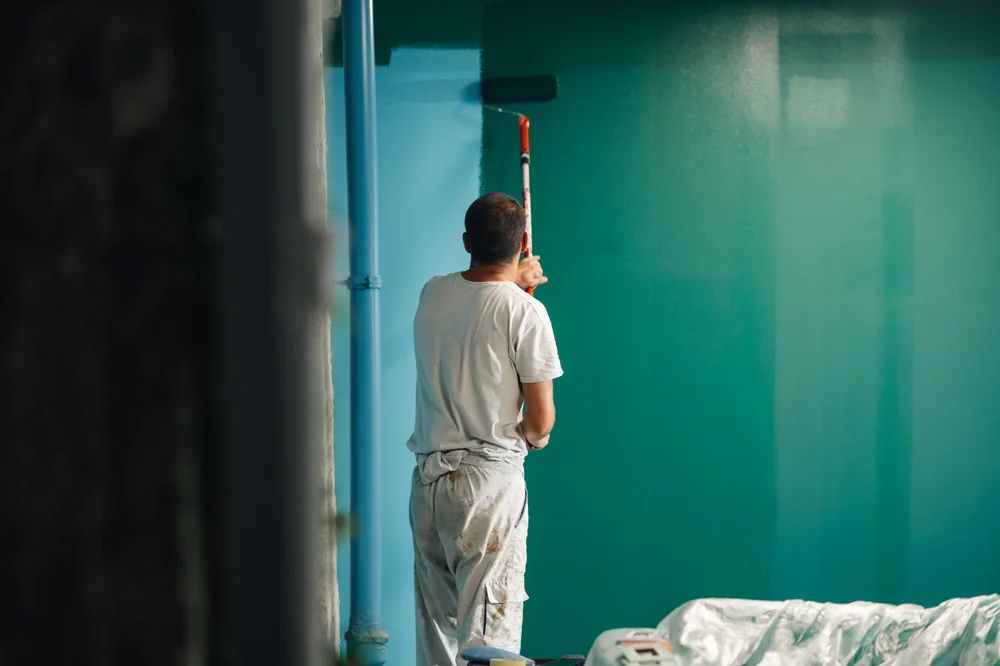
This is especially relevant if you’re planning a painting project this year in Middlesex County, MA. Choosing nature-inspired colors isn’t just following a trend—it’s investing in your well-being. It’s creating a home that supports you, that calms you, that gives you a place to reset. And when you pair those colors with professional painting services that understand prep, layering, and finishing, the results can be transformative.
Want live answers?
Connect with a Clarita's Cleaning expert for fast, friendly support.
Low-VOC Paint and Eco-Friendly Options in 2026
The 2026 painting trends aren’t just about which colors are popular—they’re also about what’s in the paint itself. Low-VOC and zero-VOC paints have moved from niche to mainstream. VOCs, or volatile organic compounds, are chemicals that evaporate into the air as paint dries. They’re responsible for that strong “paint smell” and can contribute to indoor air pollution, headaches, respiratory issues, and long-term health concerns.
More homeowners are asking questions. What’s in this paint? Is it safe for my kids? What about my pets? Will it affect anyone with asthma or allergies? The demand for eco-friendly paint has grown by 15% in 2026, and about 35% of professional painters now use eco-friendly products exclusively. That’s a big shift, reflecting broader awareness about indoor air quality and environmental responsibility.

What makes low-VOC paint different and why it matters
Traditional paints contain solvents and chemicals that help the paint go on smoothly, dry quickly, and last longer. But those same chemicals release VOCs into your home, sometimes for weeks or even months after the paint has dried. The EPA has found that VOC levels indoors can be two to five times higher than outdoors—and during a painting project, they can spike to over 1,000 times higher if you’re stripping old paint.
Low-VOC paints contain less than 50 grams of VOCs per liter. Zero-VOC paints contain less than five grams per liter. The difference is noticeable. Low-VOC paints have little to no smell, dry faster, and don’t leave lingering fumes. You can often move back into a freshly painted room the same day, without worrying about exposing your family to harsh chemicals.
But here’s what most people don’t know: not all low-VOC paints stay that way. Some brands add VOCs back in when they tint the paint with color, so a “zero-VOC” base might not stay zero once it’s mixed. That’s why you need to ask your painter or paint supplier about the colorants they use. Brands like Benjamin Moore, ECOS Paints, and Clare Paint have developed zero-VOC colorant systems, so the paint stays safe from start to finish.
The benefits go beyond health. Low-VOC paints are better for the environment. They reduce air pollution during production and application. They’re often made with renewable or recycled materials. And they align with the same values driving the nature-inspired color trend—creating healthier, more sustainable spaces that respect both people and the planet.
For homeowners in Middlesex County, MA, where property values are high and families prioritize quality, choosing low-VOC paint is a smart investment. It protects your family’s health, preserves indoor air quality, and ensures your beautiful new paint job doesn’t come with hidden costs. When you combine low-VOC paint with nature-inspired colors, you’re creating a home that looks good, feels good, and does good.
Why professional painters recommend eco-friendly paint and what happens after they leave
Professional painters have seen the shift firsthand. More clients are asking for eco-friendly options. Families with young children don’t want harsh chemicals lingering in nurseries or playrooms. Pet owners don’t want their animals exposed to toxic fumes. People with asthma or allergies need paints that won’t trigger symptoms. Environmentally conscious homeowners want their choices to reflect their values.
But it’s not just about what clients want. Professional painters themselves are choosing low-VOC paints because they’re safer to work with. Painters spend hours, sometimes days, in enclosed spaces applying paint. Breathing in VOCs day after day takes a toll. Low-VOC paints reduce that exposure, making the job safer and more comfortable.
There’s also a performance angle. Low-VOC paints have come a long way. Early versions had a reputation for being harder to work with—thinner coverage, longer dry times, less durability. That’s not the case anymore. Today’s low-VOC and zero-VOC paints perform just as well as traditional formulas, if not better. They offer excellent coverage, vibrant color, and long-lasting finishes.
And here’s something most people don’t think about until it’s too late: what happens after the painters leave. You’ve invested in beautiful, nature-inspired colors and eco-friendly paint. Your walls look stunning. But now you’re dealing with paint dust on floors, splatters on fixtures, tape residue on trim, and that fine layer of debris that settles everywhere during a painting project. You want to enjoy your refreshed space, not spend the next week cleaning up after it.
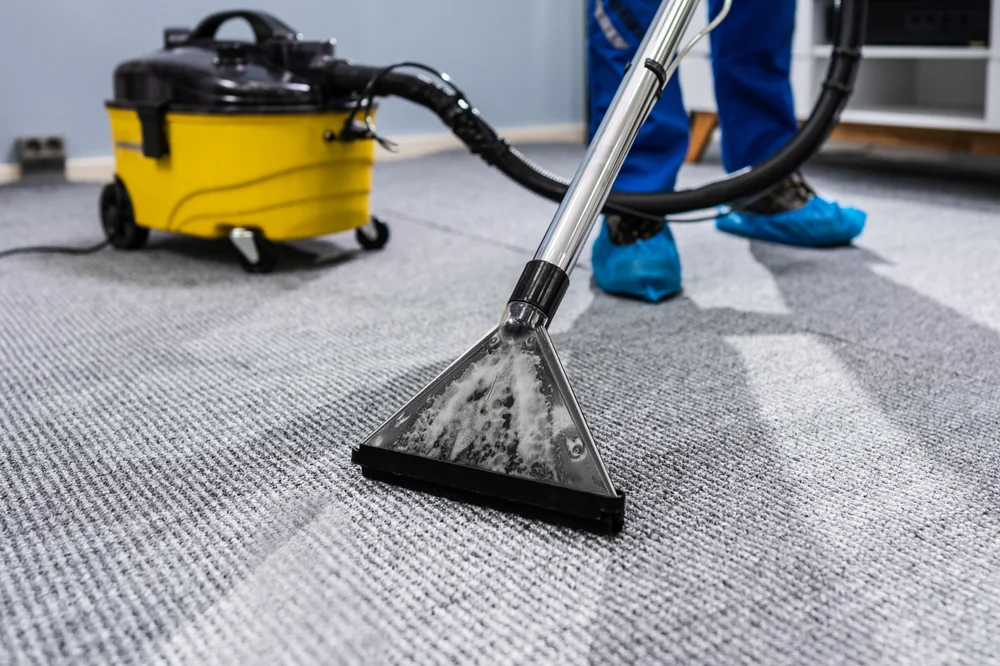
That’s where we come in. A thorough post-painting cleaning removes all traces of the project—dusting surfaces, wiping down trim and fixtures, vacuuming and mopping floors, cleaning windows that might have gotten splattered. It’s the final step that transforms a construction zone back into a home.
In Middlesex County, MA, where homeowners expect quality and thoroughness, this matters. You’re not just looking for someone to push a vacuum around. You need a cleaning team that understands the details, uses eco-friendly products that align with your low-VOC paint choices, and treats your newly refreshed space with care. You need people who won’t miss a spot, who’ll protect your investment, and who’ll leave your home looking exactly the way you envisioned when you started the project.
Bringing Nature-Inspired Colors Into Your Middlesex County Home
The 2026 painting trends represent more than a shift in color preferences. They’re about how we think about our homes. We’re moving away from sterile, impersonal spaces toward environments that feel restorative, grounded, and connected to nature. We’re prioritizing health and sustainability, choosing paints that are safe for our families and better for the planet. And we’re recognizing that the colors we live with every day have a real impact on how we feel.
Whether you’re drawn to the soft greens of biophilic design, the warm neutrals that anchor a room, or the deeper tones that add richness and depth, there’s a nature-inspired palette waiting for you. And when you pair those colors with low-VOC, eco-friendly paints, you’re creating a home that’s as healthy as it is beautiful.
If you’re in Middlesex County, MA and thinking about refreshing your space, now is the perfect time. The trends are clear, the products are better than ever, and the benefits go far beyond aesthetics. And once your painting project is complete, we can help you enjoy it fully. With over a decade of experience serving local families, we bring meticulous attention to detail, eco-friendly products, and the kind of thoroughness that ensures your newly painted space looks its absolute best. From post-painting cleanups to regular maintenance that keeps your home fresh and welcoming, we understand what Middlesex County homeowners need—and we deliver every time.