
Hear from Our Customers
Water goes where it’s supposed to. Your downspouts stay clear, your foundation stays dry, and you don’t wake up to ice dams in January.
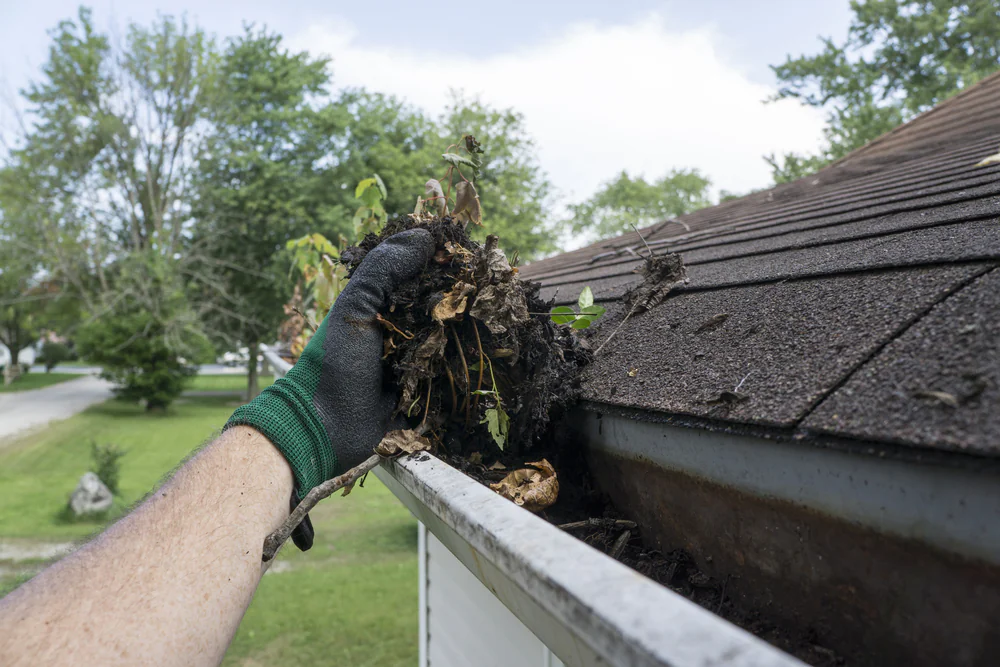
Clogged gutters aren’t just an eyesore. They’re holding hundreds of pounds of wet leaves and debris right against your roofline. That weight pulls on your fascia boards, and when winter hits, trapped water freezes and expands into ice dams that force melting snow under your shingles and into your attic.
In Belmont, where mature hardwoods drop heavy loads every fall, your gutters need more than a quick pass with a hose. You need roof debris removal that gets into the corners, downspout clearance that actually drains, and someone who checks for early signs of siding protection issues before they turn into four-figure repair bills. When your system works the way it should, rainwater moves away from your house instead of into it.
We’ve spent more than ten years cleaning gutters in Belmont and the surrounding area. We’re a family-run business, and we use eco-friendly products that won’t leave chemical residue on your property or near your kids and pets.
Our clients tell us we don’t miss anything. That’s not marketing talk—it’s what shows up in reviews because we actually check every section, clear every downspout, and haul away the debris instead of blowing it into your yard. Belmont homes sit under some of the densest tree cover in the area, which means your gutters fill up fast and need attention from people who understand how New England weather works.
We’re insured, we show up on time, and we give free estimates. No surprises, no upsells.
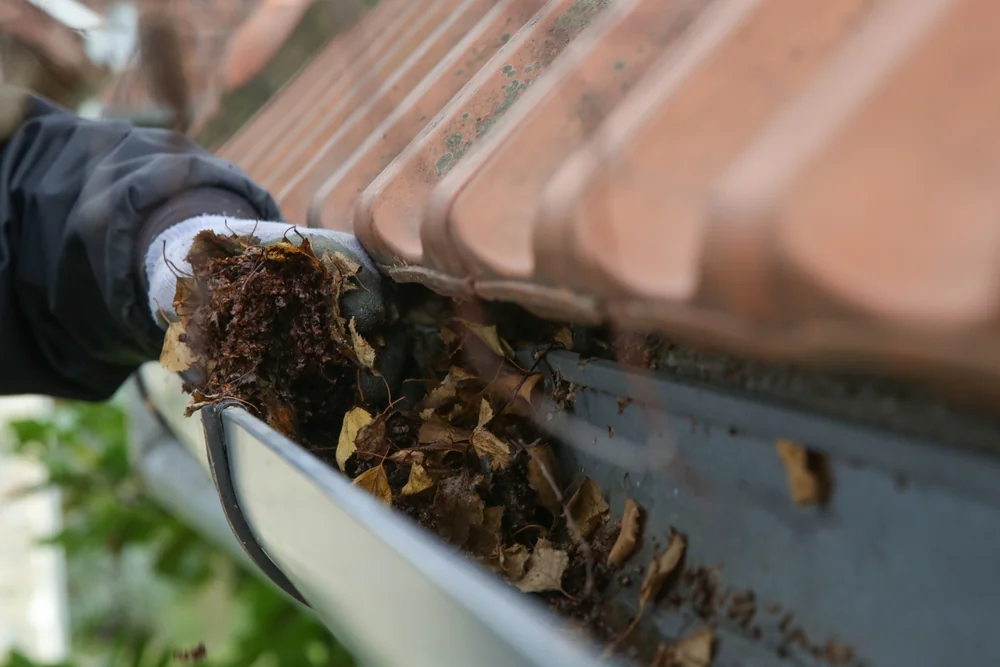
We start with a visual inspection of your entire gutter system. That means checking for sagging sections, loose brackets, and any areas where water might be pooling instead of draining.
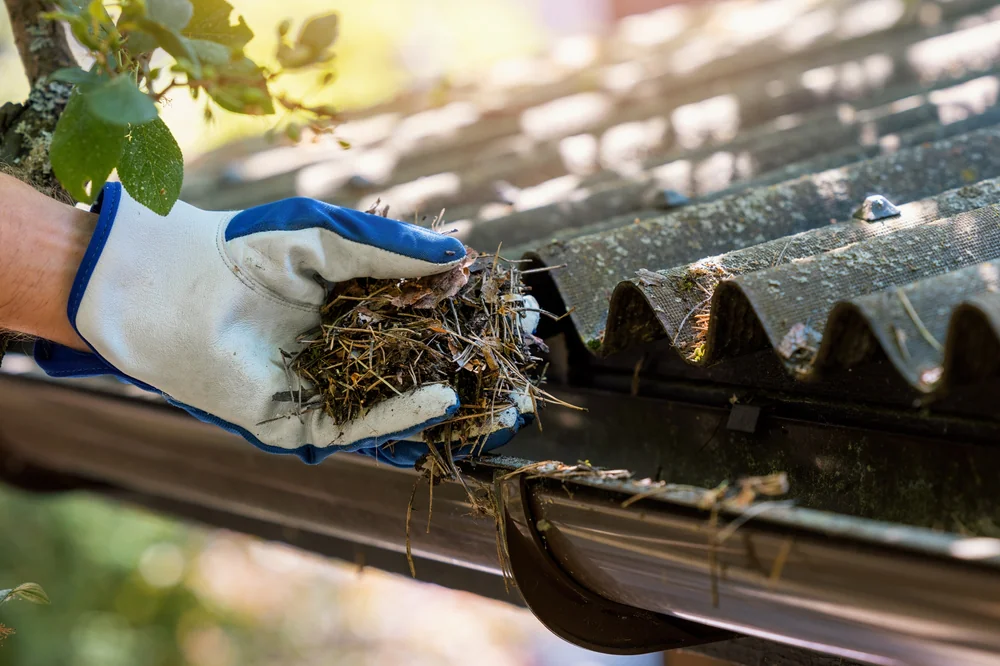
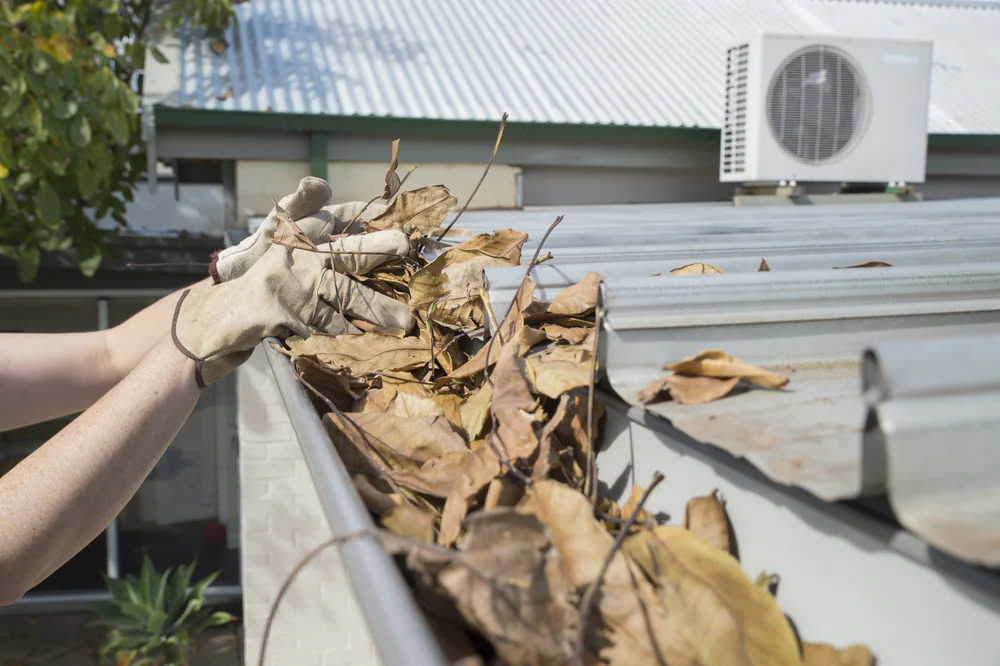
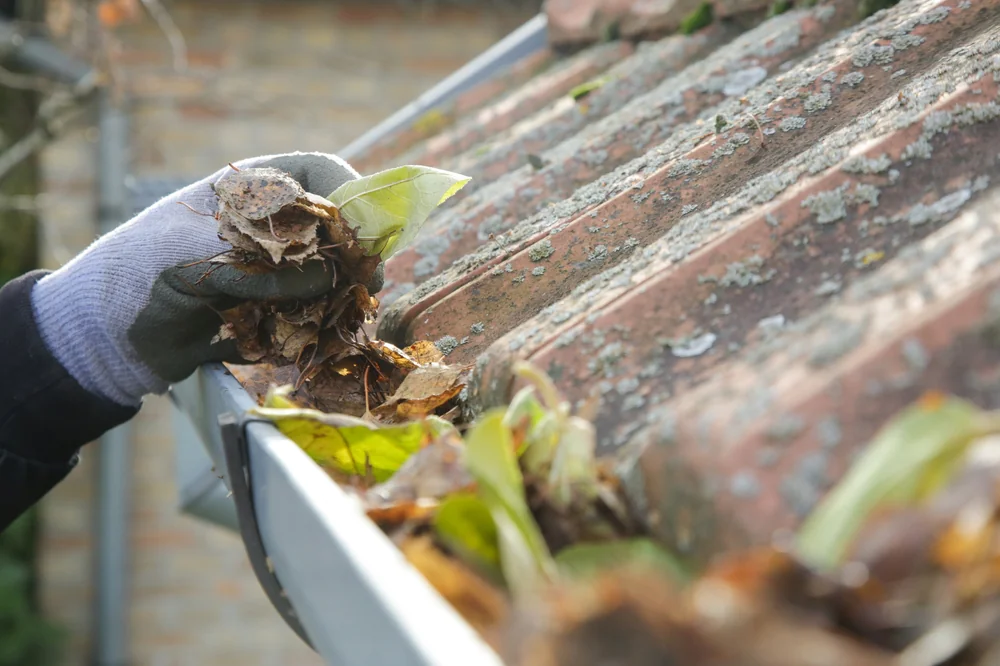
Then we remove all the debris by hand and with professional tools—leaves, twigs, shingle grit, anything that’s blocking flow. We use telescopic poles and blowers to clear out packed material without damaging your seamless gutter maintenance or scratching your siding. Every downspout gets cleared from top to bottom so water actually exits the system.
After everything’s out, we flush the gutters to confirm proper drainage and check that water is moving away from your foundation. If we spot any issues—loose spouts, small leaks, areas that need gutter guard installation—we’ll let you know. We haul all the debris off your property, so you’re not left with piles of wet leaves in your driveway. The whole process usually takes a few hours depending on your home’s size, and you’ll see the difference the next time it rains.
Ready to get started?
Every service includes full debris removal, downspout clearance, and a post-cleaning inspection. We’re checking for early warning signs—small separations, worn sealant, areas where water isn’t draining correctly.
Belmont’s freeze-thaw cycles are brutal. When gutters stay clogged through late fall, that trapped water turns into ice, and ice dams form fast. We’ve seen too many emergency calls in January that could’ve been prevented with a proper fall cleaning. That’s why we focus on ice dam prevention as part of the process, not an add-on. If your roof has valleys or areas that collect extra debris, we spend more time there because that’s where problems start.
We also look at how your landscaping is holding up near downspouts. If water’s pooling too close to your foundation or washing out mulch beds, that’s a drainage issue we can help you address. Our clients in Belmont Hill and around Cushing Square deal with sloped properties, and proper water diversion matters. You’re not just paying for clean gutters—you’re paying for someone who understands how your entire system should work and what happens when it doesn’t.
Twice a year minimum—once in late spring and once in late fall. If your property has a lot of oak, maple, or pine trees, you’ll probably need a third cleaning in early winter.
Belmont sits under heavy tree cover, and fall foliage here isn’t just beautiful—it’s also filling your gutters faster than most towns in the area. A single oak can drop thousands of leaves, and when they get wet, they pack down into a dense mat that blocks water flow. If you wait until December, you’re already dealing with frozen debris that’s much harder to remove.
Spring cleaning handles the grit, seed pods, and smaller debris that accumulate over winter. Fall cleaning is about preventing ice dams and making sure your system can handle heavy rain and snowmelt. If you’ve got older gutters or a roof with multiple valleys, don’t skip the mid-season check.
Water finds a way in. It overflows onto your siding, seeps behind trim boards, and eventually works its way into your foundation or basement.
Clogged gutters also get heavy—over 300 pounds when they’re full of wet leaves and standing water. That weight pulls on your fascia boards and can cause your entire gutter system to sag or detach. Once that happens, you’re looking at carpentry repairs on top of gutter replacement.
In winter, trapped water freezes into ice dams. Those dams force melting snow backward under your shingles, and that’s when you get leaks in your attic, damaged insulation, stained ceilings, and warped decking. We’ve seen homeowners spend thousands fixing interior damage that started with a $200 gutter cleaning they skipped. It’s one of the easiest maintenance tasks to put off and one of the most expensive to ignore.
Yes. Gutter guards reduce how often you need full cleanings, but they don’t eliminate maintenance completely.
Guards keep out larger debris like leaves and twigs, but smaller material—shingle grit, pine needles, seed pods—still gets through. Over time, that builds up and you’ll still need periodic cleaning to keep water flowing correctly. The advantage is that instead of cleaning three or four times a year, you might only need it once.
We install guards that fit your existing system and match the pitch of your roof. If you’ve got a lot of mature trees or a roof that collects debris in valleys, guards are worth considering. We’ll walk you through what makes sense for your property during the estimate. Some homes benefit more than others depending on tree type, roof design, and how much maintenance you want to handle yourself.
Absolutely. When gutters overflow, thousands of gallons of water pour directly next to your foundation instead of being directed away from it.
That water saturates the soil, creates hydrostatic pressure against your foundation walls, and eventually finds cracks to seep through. In Belmont, where many homes sit on sloped lots with older foundations, this is a common issue. You’ll notice it first as dampness in your basement, then as actual pooling water, and eventually as cracks in your foundation walls.
Fixing foundation damage is exponentially more expensive than keeping your gutters clear. We’re talking about waterproofing, French drains, foundation repair—costs that run into the tens of thousands. Your gutters are designed to move water away from your house, but only if they’re actually working. If your downspouts are dumping water right next to your foundation or your gutters are overflowing during rainstorms, you’re already on your way to bigger problems.
Yes, especially if you have a two-story home or a steep roof. Ladder accidents are one of the most common causes of serious injuries during home maintenance.
Gutters are slippery when wet, and you’re working at an awkward angle while trying to scoop out heavy, packed debris. If your ladder shifts or you lose your balance, you’re looking at a fall that can cause broken bones or worse. Even if you’re comfortable on a ladder, reaching across to clear sections without repositioning increases your risk.
We use professional equipment—stabilized ladders, telescopic poles, and safety gear—that most homeowners don’t have. We’re also insured, so if something does go wrong, you’re not liable. For the cost of a service call, you’re avoiding the physical risk and the time it takes to do it safely. If your gutters are high, hard to reach, or surrounded by obstacles like power lines or tree branches, it’s not worth the risk of doing it yourself.
Late October through early November for fall cleaning, and late April through May for spring cleaning. Those windows give you the best protection before and after winter.
Fall cleaning should happen after most of the leaves have dropped but before the first hard freeze. That way, you’re removing debris before it gets wet, compacted, and frozen into place. If you wait until December, you’re dealing with ice and much harder working conditions.
Spring cleaning handles the aftermath of winter—broken-down organic material, shingle grit from freeze-thaw cycles, and any small twigs or seed pods that blew in during storms. It also gives you a chance to inspect for any damage that happened over the winter months, like loose brackets or small leaks that developed from ice expansion. In Belmont, where we get heavy spring rains, you want your gutters clear and ready to handle high water volume before the storms hit.
Other Services we provide in Belmont
Ready for a Sparkling Clean Home?
Take the first step towards a cleaner, healthier home. Book your cleaning service with Clarita’s Cleaning today!
Clarita's Cleaning
Company
Support
Useful Links