
Hear from Our Customers
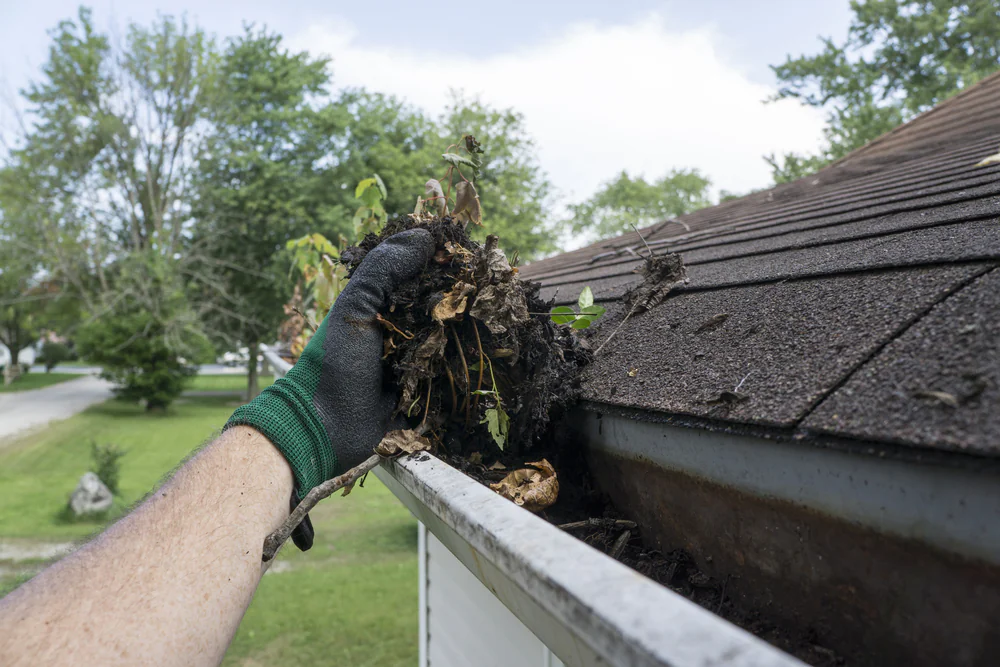
Water flows where it should. Your foundation stays dry. Your roof doesn’t develop leaks from backed-up runoff during those heavy Massachusetts spring rains or surprise nor’easters.
You’re not climbing ladders in November trying to scoop out decomposing leaves while balancing on wet rungs. You’re not dealing with ice dams in February because your gutters were too packed to drain before the freeze.
Clean gutters mean your siding isn’t streaked with overflow stains. Your landscaping isn’t getting pummeled by waterfalls every time it rains. And you’re not paying for foundation repairs because water pooled against your basement wall all season.
This is what regular gutter maintenance actually prevents—the expensive, frustrating stuff that starts small and gets costly fast.
We’ve spent more than ten years cleaning gutters across Massachusetts. We’re a family-run operation, which means when you call, you’re talking to people who actually do the work—not a call center three states away.
Tower Hill homes deal with the full New England weather cycle. Humid summers that bake debris into place. Falls that dump leaves faster than most people can keep up. Winters that test every weak point in your drainage system. We’ve seen what happens when gutters aren’t maintained through these seasons, and we’ve cleaned up the aftermath enough times to know prevention beats repair every time.
We use eco-friendly products because we’re working around your family, your pets, and your landscaping. No harsh chemicals that run off into your garden beds or leave residue on your siding.
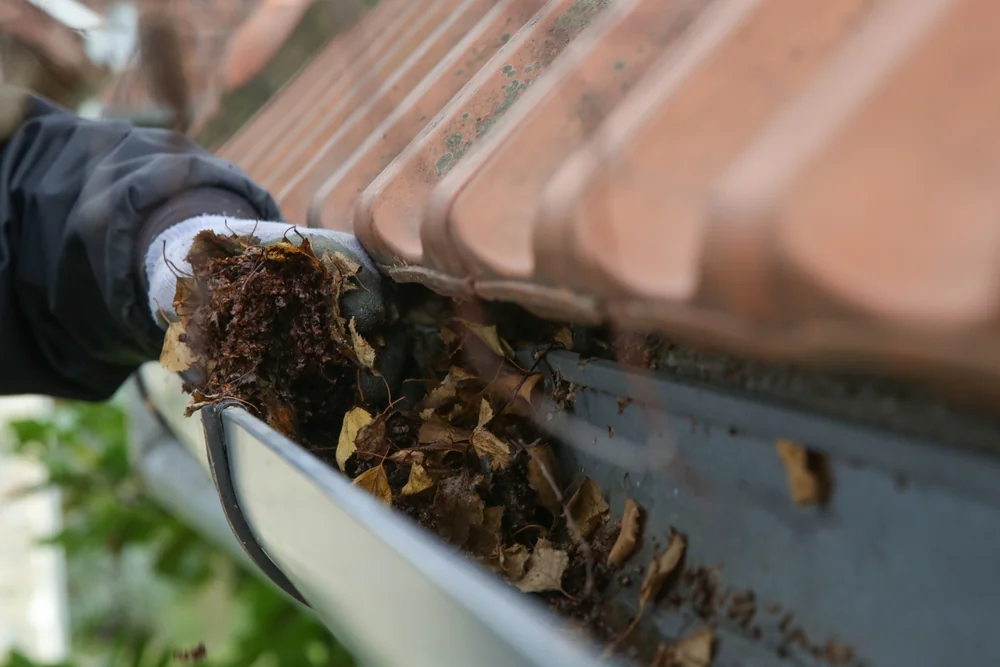
We start with roof debris removal—clearing everything off your roof that’s going to wash into your gutters the next time it rains. Twigs, shingle grit, leaves, all of it.
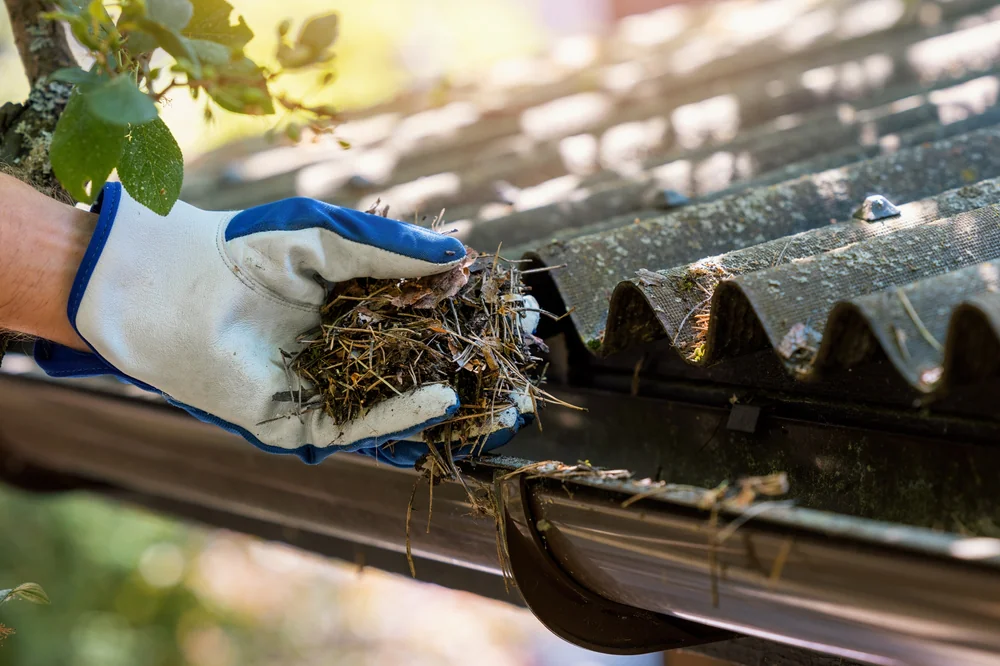
Then we move to the gutters themselves. We pull out the packed debris by hand, not just blowing it around or pushing it into your downspouts. We’re clearing the channels completely so water can actually move.
Downspout clearance comes next. We flush each downspout to make sure water’s flowing all the way through, not backing up halfway down because of a clog you can’t see from the ground. If there’s a blockage, we clear it.
After everything’s cleaned, we test the system. We run water through to check flow and make sure it’s draining away from your foundation like it should. Then we clean up the ground-level mess—bagging debris, not leaving it in piles on your lawn.
You get a system that works. That’s the point.
Ready to get started?
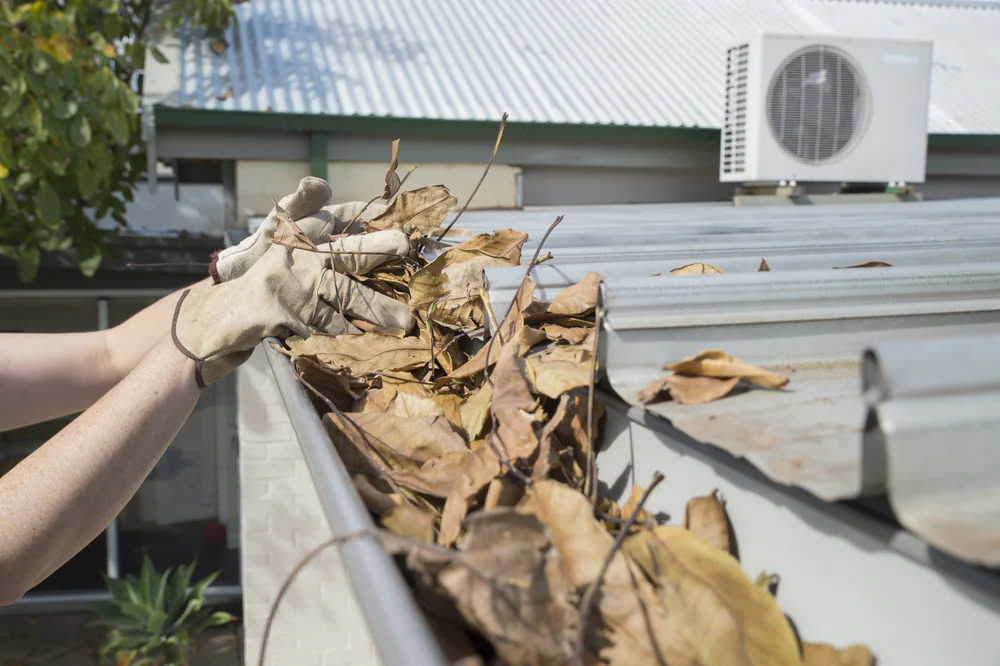
Full debris removal from gutters and downspouts. Roof clearing so you’re not just moving the problem around. Flushing and flow testing to confirm everything drains properly. Complete ground cleanup when we’re done.
We also inspect while we work. If your gutter guard installation is failing or your seamless gutter maintenance is overdue, we’ll tell you. If we spot siding protection issues—like water stains or loose sections—you’ll know before it becomes a bigger repair.
Tower Hill’s older homes, especially those pre-1960s builds in the neighborhood, often have gutter systems that haven’t been updated in years. They work fine when maintained, but they need regular attention. Twice a year minimum for most properties—more if you’ve got mature trees dropping debris year-round.
Massachusetts weather doesn’t give you a break. Spring pollen clogs gutters before the rain hits. Summer storms dump volume fast. Fall is the obvious problem. Winter turns any remaining moisture into ice that expands and damages joints. Staying ahead of this isn’t optional if you want your system to last.
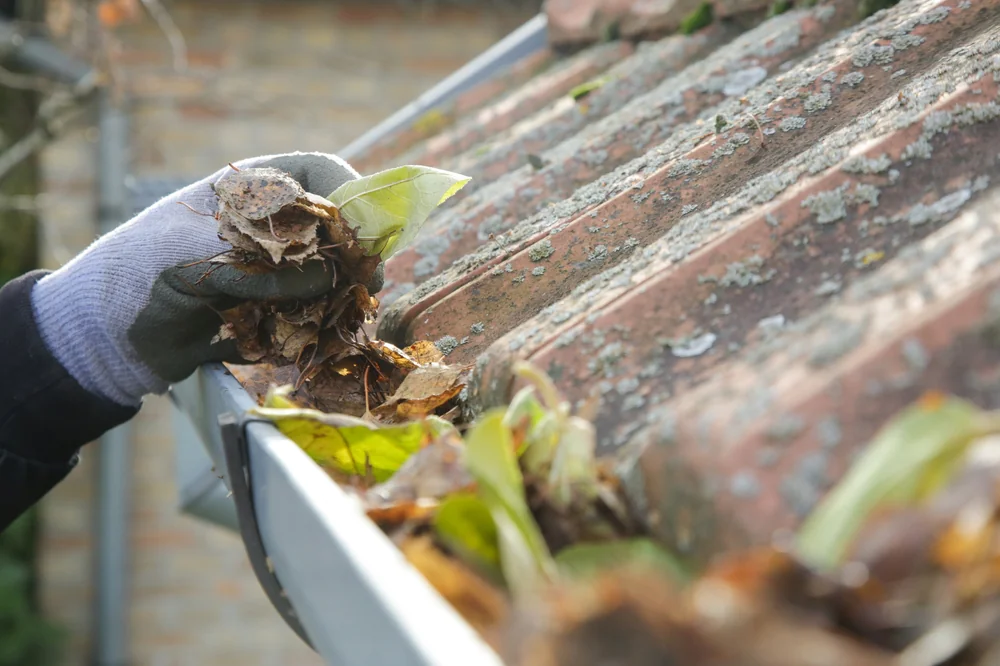
Twice a year is the baseline—once in late spring after pollen and early debris, once in late fall after the leaves drop. That’s for homes with average tree coverage.
If your property has mature oaks, maples, or pines close to the roofline, you’re looking at three or four times a year. Those trees drop year-round, and pine needles are especially good at forming dense mats that block flow.
The goal is to clean before the heavy weather hits. Late fall cleaning prepares your system for winter snow and ice. Spring cleaning clears out everything that built up over winter so your gutters can handle April and May rains. Skipping either one means you’re gambling on whether a storm will expose the weak point before you get around to it.
Water goes somewhere. If it can’t flow through your gutters, it overflows—usually right against your foundation, into your basement, or under your siding.
Clogged gutters also create ice dams in winter. Snow melts on your roof, hits the frozen blockage in your gutter, and refreezes along the edge. That ice works its way under shingles and causes leaks inside your home. It’s one of the most common winter damage issues across Massachusetts.
You’ll also see fascia rot where water sits too long. Pest problems because standing water attracts mosquitoes and damp debris attracts rodents. Landscape erosion from water pouring over the sides instead of draining through downspouts. The damage adds up faster than most people expect, and it’s almost always more expensive to fix than it would’ve been to just clean the gutters.
You can, but it’s not as simple as it looks. Ladder safety is the first issue—most gutter-related injuries happen to homeowners, not professionals. You’re working at height, often on uneven ground, reaching over your head while holding tools.
Then there’s the actual cleaning. If you don’t clear the roof first, you’re wasting your time—the next rain washes everything back into the gutters you just cleaned. If you don’t flush the downspouts properly, you’re leaving clogs you can’t see. If you don’t test flow, you won’t know if there’s a problem until water’s overflowing during a storm.
Professional equipment makes a difference too. We’ve got the ladders, safety gear, and tools to do this efficiently and completely. Most homeowners don’t, which means the job takes longer and the results aren’t as thorough. It’s your call, but the time and risk usually aren’t worth the cost savings—especially when you factor in what happens if something gets missed.
We handle cleaning and maintenance primarily, but we’ll assess whether gutter guards make sense for your property. They’re not a magic solution—guards reduce debris, but they don’t eliminate the need for cleaning entirely.
Some guards work better than others depending on what’s falling into your gutters. Mesh guards handle leaves well but can get clogged by pine needles and shingle grit. Reverse-curve guards shed most debris but can let water overshoot in heavy rain. Foam inserts block debris but can trap moisture and grow mold.
If your gutters are constantly overwhelmed and you’re cleaning four-plus times a year, guards might help. If you’ve got moderate debris and you’re okay with twice-yearly cleaning, you probably don’t need them. We’ll give you an honest assessment based on your specific situation—tree coverage, roof pitch, gutter size, and how much maintenance you’re willing to do. The goal is a system that works for your property, not upselling you on something that won’t solve the actual problem.
Late October through early November for fall cleaning—after most leaves have dropped but before the first hard freeze. That timing clears your system before winter weather turns any remaining debris into frozen blockages.
Spring cleaning works best in late April or May, after pollen season peaks but before the heavy spring rains hit. You’re clearing out everything that accumulated over winter and making sure your gutters can handle the wet season.
If you can only do one cleaning per year, fall is more critical in Massachusetts. That’s when the volume of debris is highest, and that’s when you’re setting your system up to handle winter. But skipping spring means you’re starting the wet season with gutters that are already partially compromised, which increases your risk of overflow and water damage during storms.
Most homes in Tower Hill run between $200 and $300 for a complete cleaning, depending on the size of your house and how much debris we’re dealing with. Single-story homes with minimal tree coverage are on the lower end. Two-story homes with heavy leaf buildup cost more because of the extra time and safety requirements.
We provide free estimates, so you’ll know the cost before we start. No surprises, no hidden fees for things like downspout clearing or cleanup—that’s all included in the base service.
The cost is less than one foundation repair, one ice dam removal, or one fascia replacement. That’s the math that matters. Regular maintenance costs a fraction of what you’ll pay if your gutters fail and cause damage to other parts of your home. We’re not the cheapest option in the area, but we’re thorough, we’re insured, and we don’t cut corners. You’re paying for work that actually protects your property.
Other Services we provide in Tower Hill
Ready for a Sparkling Clean Home?
Take the first step towards a cleaner, healthier home. Book your cleaning service with Clarita’s Cleaning today!
Clarita's Cleaning
Company
Support
Useful Links