
Hear from Our Customers
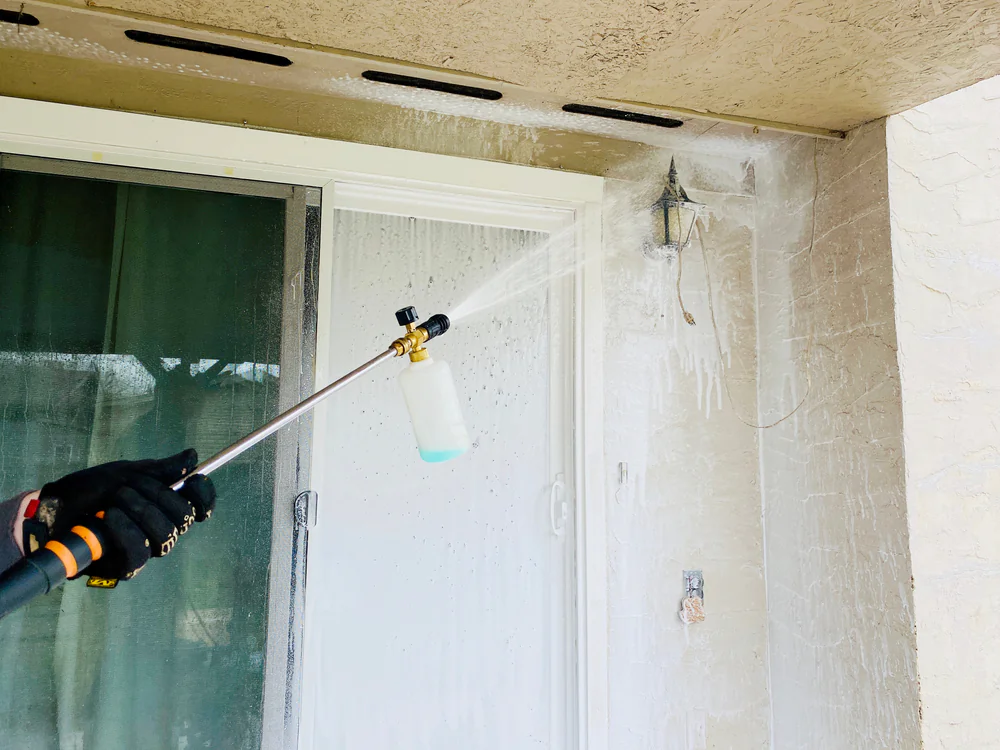
You’ve seen what happens when someone rents a pressure washer and goes to town on their vinyl siding. Streaks. Dents. Water forced behind the panels. That’s the difference between high-pressure guessing and controlled soft washing.
Soft washing uses low-pressure water with cleaning solutions designed for each surface type. Your roof shingles, painted wood, stucco, and vinyl siding get cleaned without the damage. The algae, mold, and mildew that love Massachusetts humidity? Gone. The underlying material? Intact.
This matters in Gleasondale, where homes built before 1939 need careful handling. You’re not just removing dirt—you’re protecting an investment. Clean siding reflects heat better in summer. Salt-free surfaces last longer through winter. And when you’re ready to sell, curb appeal isn’t something you have to worry about.
We’ve spent over ten years cleaning homes in Gleasondale and surrounding Massachusetts communities. We’re a family-run operation, which means the people who answer your call are the same ones who train our crew.
Our approach is simple: use eco-friendly products that won’t harm your kids, pets, or landscaping. Show up when we say we will. Don’t leave until every corner is handled. That last part is what customers mention most—we don’t miss spots.
Gleasondale homeowners deal with specific challenges. Road salt from winter plowing. Pollen from all those beautiful trees. Algae on north-facing siding that never sees full sun. We’ve cleaned enough properties here to know what works and what doesn’t. You’re not getting a generic service—you’re getting a process refined for this exact area.
First, we come out for a free estimate. You show us what needs cleaning, we assess the surface types and contamination levels, and we give you a straightforward price. No surprises later.
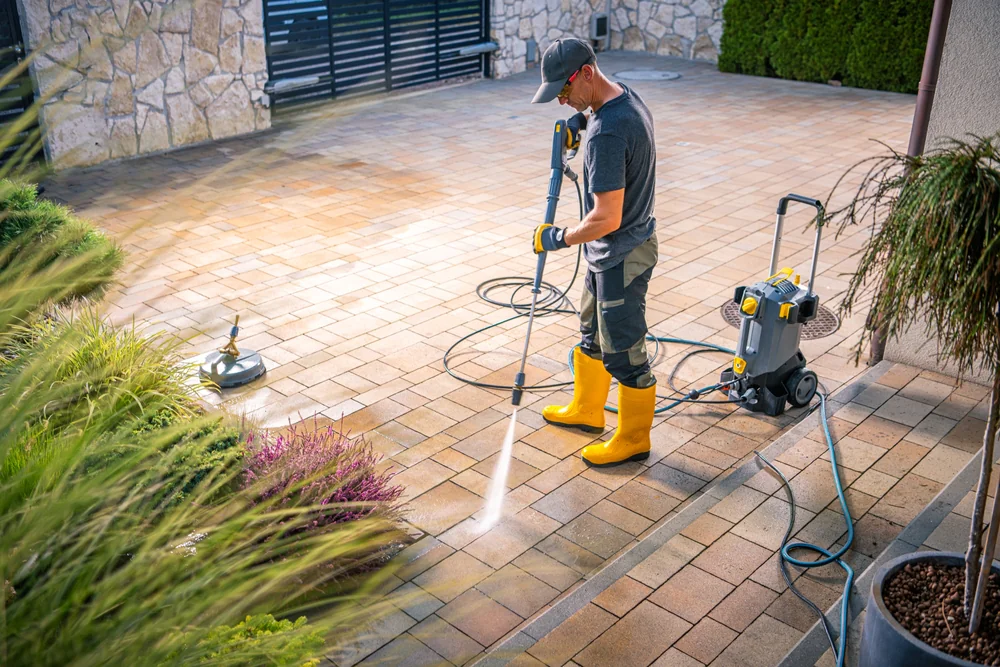
On service day, we protect your outdoor lighting, outlets, and hardware before we start. Then we choose the right method—power washing for concrete driveways that can handle heat and pressure, soft washing for anything painted or textured. Different surfaces need different approaches. Your deck and fence restoration doesn’t use the same technique as driveway cleaning.
We apply cleaning solutions that break down organic growth, let them work for a few minutes, then rinse everything clean with controlled pressure. For graffiti removal or stubborn stains, we adjust our approach. The goal is always the same: remove what doesn’t belong without damaging what does.
After we’re done, we do a walkthrough with you. If something doesn’t meet your standard, we handle it before we pack up. Then we haul away any debris and leave your property cleaner than we found it.
Ready to get started?
You’re getting a crew trained to identify what’s growing on your surfaces and why. Algae needs different treatment than road salt. Mold requires different solutions than pollen buildup. We carry multiple cleaning formulas and adjust water pressure based on what we’re cleaning.
In Gleasondale, spring cleaning means removing winter’s damage before humidity locks it in. That salt crust from plow spray? It traps moisture against your siding and feeds staining. We clear it early, usually March or April, so your home can dry properly. Fall cleaning removes organic debris before it sits under snow for months.
Our equipment includes professional-grade pressure washers, soft wash systems, extension poles for second-story work, and surface cleaners for large flat areas like driveways and patios. We use staging when needed instead of risking ladder work on uneven ground. Safety matters—for our crew and your property.
The products we use are non-toxic and biodegradable. They won’t kill your landscaping or create runoff problems. If you’ve got kids or pets who use the yard, that matters. You shouldn’t have to keep them inside for days after a cleaning.

The main difference is heat. Power washing uses heated water, which helps break down grease, oil, and stubborn grime faster. Pressure washing uses unheated water at high pressure. Both are effective—it just depends on what you’re cleaning.
For most residential work in Gleasondale, pressure washing handles the job. Driveways, siding, decks, fences—regular pressure gets them clean. We bring in power washing for commercial properties with oil stains or industrial buildup, or for situations where heat makes a real difference.
The more important distinction is between high-pressure and soft washing. High pressure works great on concrete and brick. It’ll destroy painted wood and vinyl siding. Soft washing uses gentle pressure with specialized detergents to clean without damage. That’s what your home’s exterior needs—not maximum PSI, but the right combination of pressure and cleaning solution for each surface type.
It can if done incorrectly. That’s the risk with DIY pressure washing or hiring someone without proper training. Too much pressure, wrong nozzle angle, or holding the spray too close will dent wood, crack vinyl, strip paint, and force water behind siding panels.
We avoid that by using soft washing on anything that’s not solid concrete or brick. Soft washing applies cleaning solutions at low pressure—around 100-500 PSI instead of 3000+ PSI. The detergent does the work, not the force. We’re removing organic growth and stains chemically, then rinsing gently.
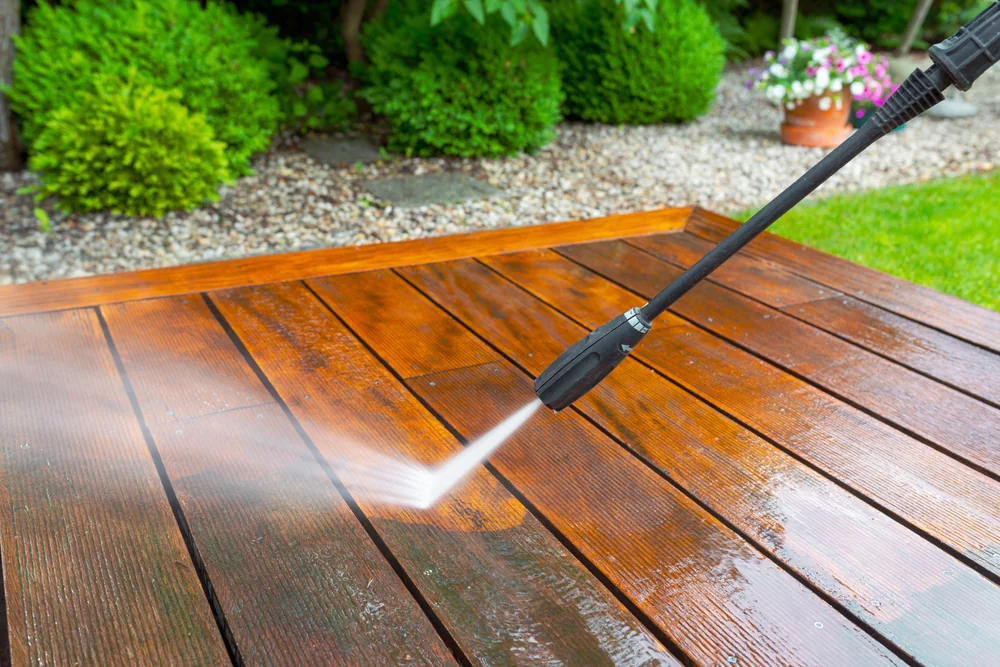
For deck and fence restoration, we assess the wood condition first. Rotted or severely weathered wood needs repair before cleaning. Healthy wood gets cleaned with appropriate pressure and the right tip to avoid splintering. We’ve been doing this for over a decade—we know what each surface can handle and adjust accordingly. Your property doesn’t become a learning experience.
Most Gleasondale homes benefit from annual cleaning, typically in spring after winter salt and grime have accumulated. Some properties need it twice a year—spring and fall—especially if you’ve got significant tree coverage that drops organic debris or north-facing walls that grow algae.
The real answer depends on what you’re seeing. If your siding looks dingy, your deck has green patches, or your driveway has dark streaks, it’s time. Waiting too long means contaminants eat into the surface instead of just sitting on top. Algae and mold don’t just stain—they deteriorate materials over time.
Regular cleaning actually saves money. Removing salt before it pits your concrete or dulls your paint means fewer repairs. Clearing algae before it works under shingles means longer roof life. Think of it like changing your oil—small maintenance now prevents expensive fixes later. We can set you up on a schedule that makes sense for your property’s specific exposure and your budget.
The way we do it, yes. We use eco-friendly, non-toxic cleaning solutions that break down naturally and won’t harm kids, pets, or landscaping. You’re not dealing with harsh chemicals that require evacuation or create dangerous runoff.
During the actual cleaning, we ask that people and pets stay inside or away from the work area. That’s just common sense—water spray, moving equipment, and wet surfaces aren’t safe to walk through. But once we’re done and everything dries, your yard is fully usable. No waiting periods, no residue concerns.
Compare that to some companies using industrial degreasers or bleach-heavy mixtures that kill grass and require days of ventilation. We specifically chose our product line because Gleasondale families care about what touches their property. You’ve invested in a beautiful home in a safe neighborhood—we’re not going to compromise that with questionable chemicals. Our approach cleans effectively while keeping your environment safe.
Most oil stains, yes. Fresh stains come up easier than old ones that have penetrated deep into concrete. We use degreasers formulated for oil breakdown, combined with hot water when needed, and appropriate pressure to lift the stain without damaging the surface.
The key is setting realistic expectations. A brand new oil drip from last week? We can usually get that completely out. A years-old stain that’s soaked into porous concrete? We can significantly lighten it, but total removal isn’t always possible without damaging the concrete itself. We’ll tell you upfront what’s achievable.
For driveways with multiple old stains or severe discoloration, we sometimes recommend driveway resurfacing after cleaning. Get the surface as clean as possible first, then apply a new sealer or coating. That gives you a fresh appearance and protects against future staining. We can walk you through options during the estimate so you know exactly what you’re getting and what it’ll cost.
Yes. We come to your property, assess what needs cleaning, discuss your specific concerns, and provide a clear price. No obligation, no pressure to book immediately, no hidden fees that show up later.
The estimate lets us see your property’s specific conditions. A ranch home with easy access is different from a two-story colonial with landscaping close to the foundation. We need to see surface types, contamination levels, and any obstacles that affect our approach. That way, the price we quote is the price you pay.
We typically schedule estimates within a few days of your call, depending on season. Spring is our busiest time as everyone wants winter damage cleaned up, so booking early helps. But we stay flexible—if you need something handled quickly, we work with your timeline. The estimate takes about 20-30 minutes, and you’ll have a written quote before we leave. From there, you decide if and when you want to move forward.
Other Services we provide in Gleasondale
Ready for a Sparkling Clean Home?
Take the first step towards a cleaner, healthier home. Book your cleaning service with Clarita’s Cleaning today!
Clarita's Cleaning
Company
Support
Useful Links