
Hear from Our Customers
Your siding stops looking dingy. The green streaks down your driveway disappear. That black mold creeping up from the foundation—gone.
More importantly, your surfaces don’t get damaged in the process. A lot of pressure washing companies blast everything at high pressure because it’s faster. That approach can strip paint, gouge wood, force water behind siding, and leave you with bigger problems than you started with.
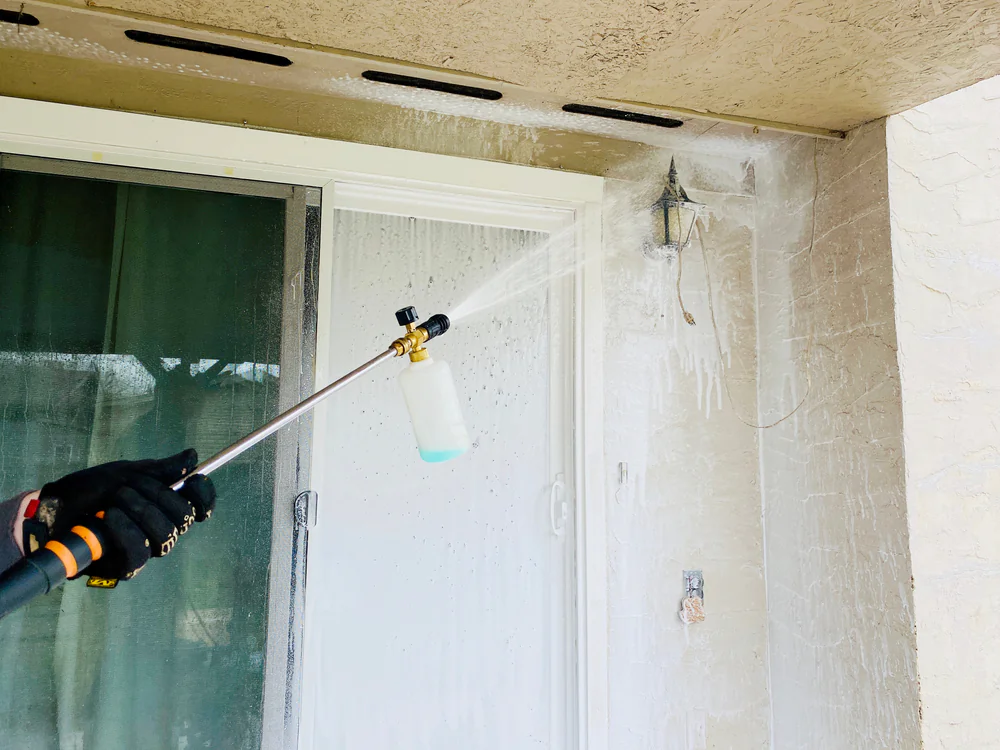
Soft washing uses lower pressure and the right cleaning solutions to break down organic growth at the source. It’s what works on New England homes where mold, mildew, and algae come back every year thanks to our humidity and shade. The results last longer because the growth is actually killed, not just rinsed off. Your home looks cleaner, your property value stays intact, and you’re not scheduling another cleaning in three months.
We’ve been serving Old Cambridge and the Greater Boston area for over ten years. We’re a family-run business, and we clean homes and commercial properties the way we’d want ours cleaned—thoroughly, safely, and without cutting corners.
Old Cambridge homes deal with a specific set of challenges. Older architecture, mature trees that create constant shade and moisture, brick and wood that need gentler cleaning methods. We use eco-friendly, non-toxic products because many of our clients have kids, pets, or just don’t want harsh chemicals sitting on their property. Our approach has always been straightforward: show up on time, do the work right, and leave your property cleaner than we found it.
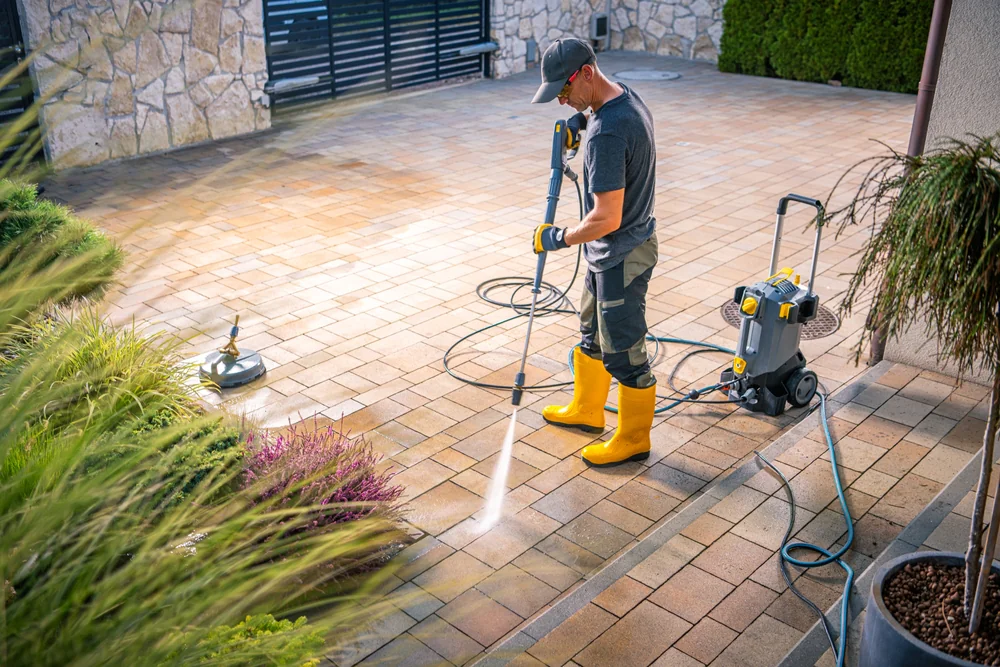
First, we come out and give you a free estimate. We’ll walk your property, look at what needs cleaning, and talk through what method makes the most sense—soft washing for siding and roofs, higher pressure for concrete and driveways, or a combination depending on the surfaces.
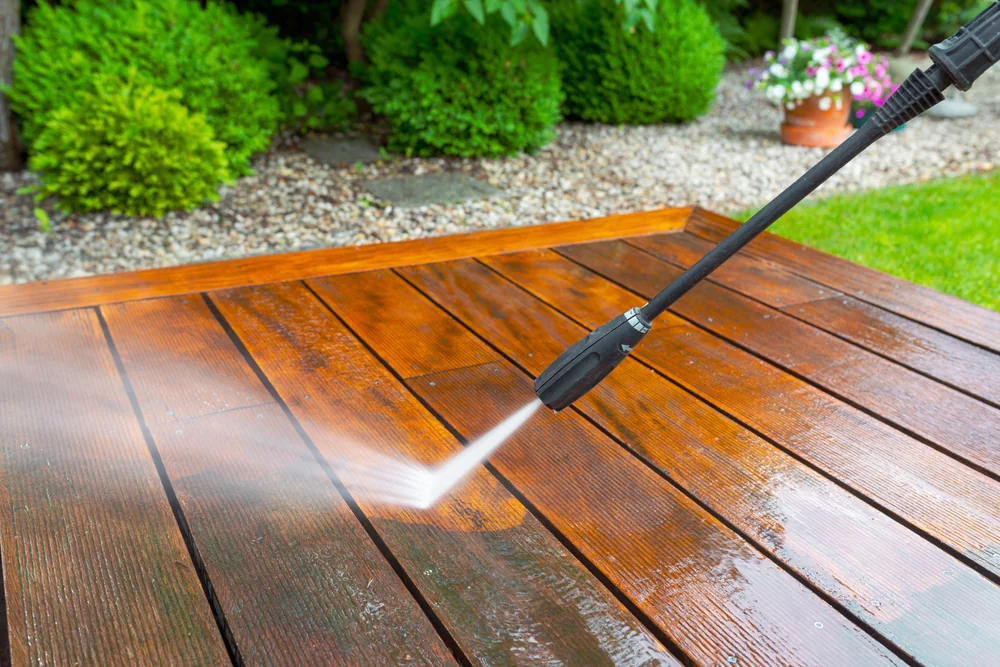
Once we’re on site for the actual job, we start by protecting anything that shouldn’t get wet—plants, outdoor furniture, electrical fixtures. Then we apply a cleaning solution that breaks down the organic material causing the stains. This sits for a bit to do its job. After that, we rinse everything thoroughly using the appropriate pressure for each surface. For something like a wood deck, that’s much lower pressure than what we’d use on a concrete driveway.
We don’t rush. The process works because we let the cleaning solution do the heavy lifting, not the pressure. When we’re done, we do a final walkthrough with you to make sure everything meets your expectations. Most jobs take a few hours depending on the size of your property, and you’ll see the difference immediately.
Ready to get started?
We handle house washing, driveway cleaning, deck and fence restoration, gutter cleaning, and graffiti removal. Each service uses the right method for the material. Vinyl siding gets soft washed. Concrete driveways can handle higher pressure. Wood decks need a gentler touch to avoid splintering or etching the grain.
In Old Cambridge, we see a lot of brick homes, older wood trim, and composite decking. Brick holds moisture and grows algae in shaded areas. Wood trim can rot if water gets forced into cracks. Composite decking stains easily but can’t handle aggressive scrubbing. Knowing the difference between power washing and pressure washing matters here—power washing uses heated water and is better for heavy grease or oil stains, while pressure washing uses unheated water and works for most residential cleaning.
We also clean commercial properties—storefronts, sidewalks, building exteriors. The goal is the same: make it look clean and professional without causing damage that leads to costly repairs. Every job includes a free estimate and flexible scheduling because we know you’re busy. We bring our own water and equipment, so you don’t need to do anything except let us know when works for you.

Most homes in Old Cambridge benefit from professional cleaning every 18 to 24 months. That timeline shifts depending on how much shade your property gets and how close you are to mature trees.
Homes with a lot of tree coverage or north-facing walls tend to grow mold and mildew faster because they stay damp longer. If you’re noticing green or black streaks on your siding, that’s organic growth, and it’s actively breaking down your paint and siding material. Catching it before it gets embedded saves you money on repainting or siding replacement.
Some homeowners clean annually, especially if they’re preparing to sell or just want their property looking sharp year-round. There’s no harm in cleaning more often as long as you’re using soft washing methods that don’t wear down the surfaces.
It depends entirely on the pressure level and technique. High-pressure washing can absolutely damage siding, strip paint, force water behind exterior walls, and splinter wood decks. That’s why we use soft washing for most residential surfaces.
Soft washing uses about one-third the pressure of traditional power washing, combined with cleaning solutions that do the actual work of killing mold, mildew, and algae. The result is a deeper clean that lasts longer without the risk of surface damage. For concrete driveways or heavily soiled areas, we increase the pressure because those surfaces can handle it.
If someone’s offering to pressure wash your entire house at maximum PSI, that’s a red flag. Different materials need different approaches, and a good cleaning company knows the difference. We’ve seen plenty of homes where a previous company caused damage by using too much pressure on the wrong surface.
Pressure washing relies on high water pressure to blast away dirt and grime. Soft washing uses lower pressure and specialized cleaning solutions to break down organic growth chemically, then rinses it away gently.
Pressure washing works well for hard surfaces like concrete, brick pavers, and stone. It’s fast and effective for removing surface-level dirt. But on softer materials like vinyl siding, wood, or painted surfaces, high pressure can cause real damage—stripping paint, gouging wood, or forcing water into places it shouldn’t go.
Soft washing is what we use on most residential exteriors because it’s safer and more effective for killing the root cause of stains. Mold, mildew, and algae aren’t just sitting on the surface—they’re growing into it. Blasting them off with pressure might make things look clean temporarily, but the growth comes back faster because the spores are still there. Soft washing kills them completely, so your home stays cleaner longer.
Yes, but it depends on how old the stain is and what type of surface you’re dealing with. Fresh oil stains come up easier than ones that have been sitting for months or years and have soaked deep into porous concrete.
For oil stains, we use a combination of degreasing agents and higher-pressure washing (sometimes heated water, which is technically power washing). The degreaser breaks down the oil, and the pressure lifts it out of the concrete. Older stains might not come out completely, but we can usually fade them significantly.
If your driveway is sealed or coated, we adjust our approach to avoid damaging the sealant. Asphalt driveways need gentler treatment than concrete because too much pressure can pull up the surface material. We’ve handled plenty of driveways in Old Cambridge with stubborn stains, and we’re upfront about what’s realistic before we start.
Absolutely. Wood decks need low pressure and the right cleaning solution to avoid splintering, etching, or raising the grain. We’ve restored plenty of decks in Old Cambridge that were covered in mold, mildew, or just years of weathering.
The process involves applying a wood-safe cleaner that breaks down organic growth and lifts dirt without harsh scrubbing. Then we rinse at low pressure, moving with the grain of the wood to avoid damage. If your deck is really weathered or hasn’t been cleaned in years, we might recommend a wood brightener after cleaning to restore some of the original color.
Once the deck is clean and dry, it’s a good time to think about staining or sealing if it hasn’t been done recently. A clean deck that’s properly sealed lasts longer and resists future mold growth. We don’t do staining ourselves, but we can get your deck ready for it if that’s your plan.
Yes. Graffiti removal is one of those jobs where technique matters more than pressure. Depending on the surface and the type of paint or marker used, we’ll use a combination of chemical removers and controlled pressure washing to lift the graffiti without damaging the underlying material.
Brick, concrete, and metal surfaces usually handle graffiti removal well. Painted surfaces are trickier because you’re trying to remove one layer of paint without stripping the original finish underneath. We test a small area first to make sure our approach works without causing more damage.
For commercial properties in Old Cambridge, graffiti isn’t just an eyesore—it affects how customers perceive your business. We’ve worked with storefronts, office buildings, and property managers who need fast, discreet cleaning that doesn’t disrupt business hours. We can schedule around your needs and get the job done efficiently.
Other Services we provide in Old Cambridge
Ready for a Sparkling Clean Home?
Take the first step towards a cleaner, healthier home. Book your cleaning service with Clarita’s Cleaning today!
Clarita's Cleaning
Company
Support
Useful Links